Normal enough
Travel posts and office jokes. A figure keeps appearing in the background.
User Zero vanished. Their phone didn’t. A mobile horror concept that turns the habit of scrolling into an investigation.
READ THE CASE STUDY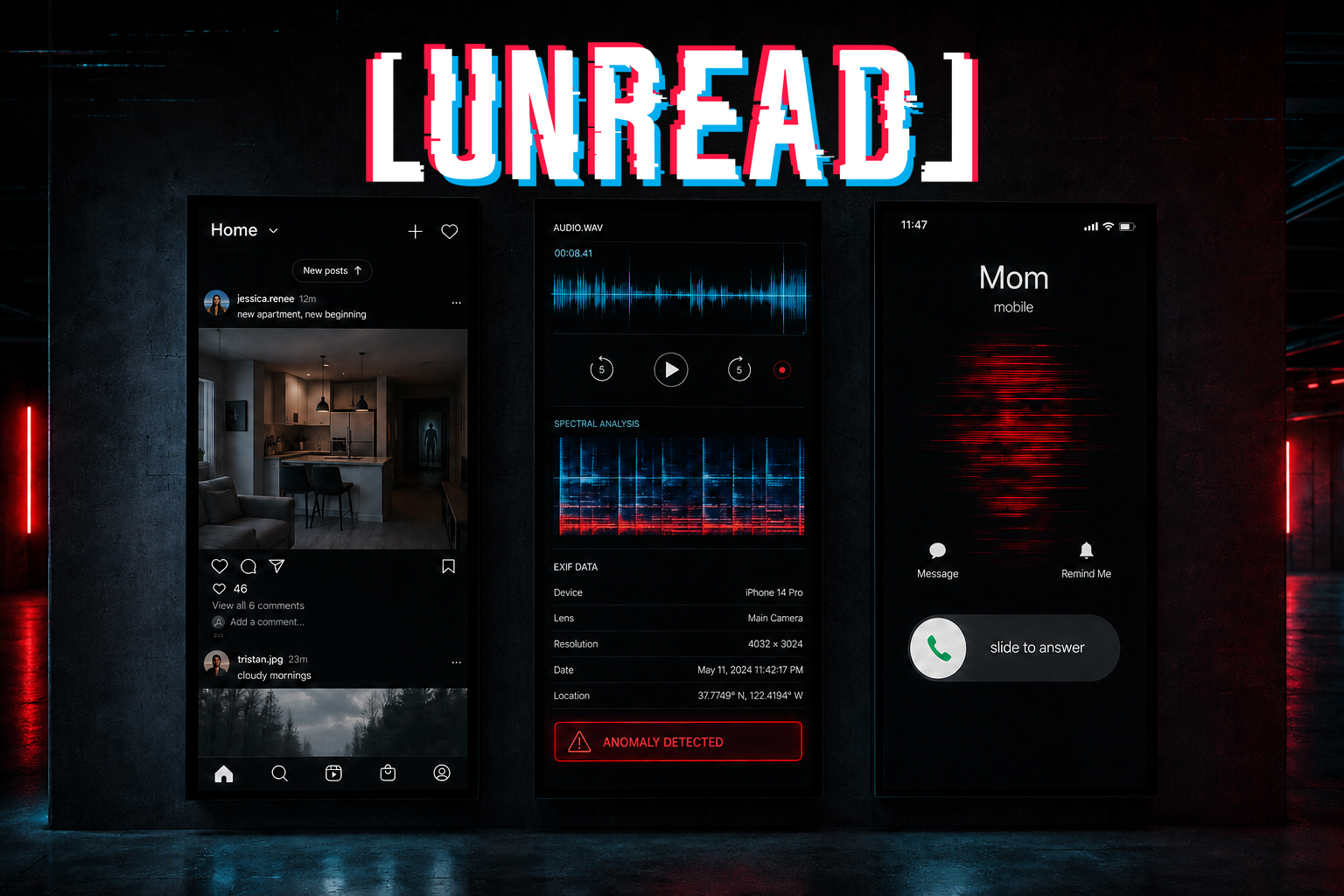
Scrolling is familiar enough to happen without much thought. I wanted to use that familiarity as the starting point for a horror story. A caption changes. A figure appears in the background of an old post. Suddenly, the next swipe takes some nerve.
The player reconstructs User Zero’s final 72 hours through the phone they left behind. An invite-only app is still refreshing. Something inside it notices the new observer.
Travel posts and office jokes. A figure keeps appearing in the background.
Captions rewrite themselves. A second breath appears in a voice note.
A locked apartment. No body. The phone stays awake on the floor.
You open the archive. The feed starts addressing you directly.
The phone needs to feel ordinary long enough for a small change to matter. Familiar gestures become investigative tools. Pausing on an image or scrubbing through audio should feel like a decision the player made.
The challenge is restraint. Constant glitches would flatten the tension. I reserved corruption for moments when the state of the story changes.
Scrub a garbled recording and isolate a voice. A passcode sits inside the noise.
Compare timestamps and inspect the picture. The room can contradict its caption.
A simulated incoming call opens an audio puzzle. It stays inside the game, including the missed-call record.
Use evidence from older posts during a live-stream sequence. What you noticed earlier changes what you can do next.
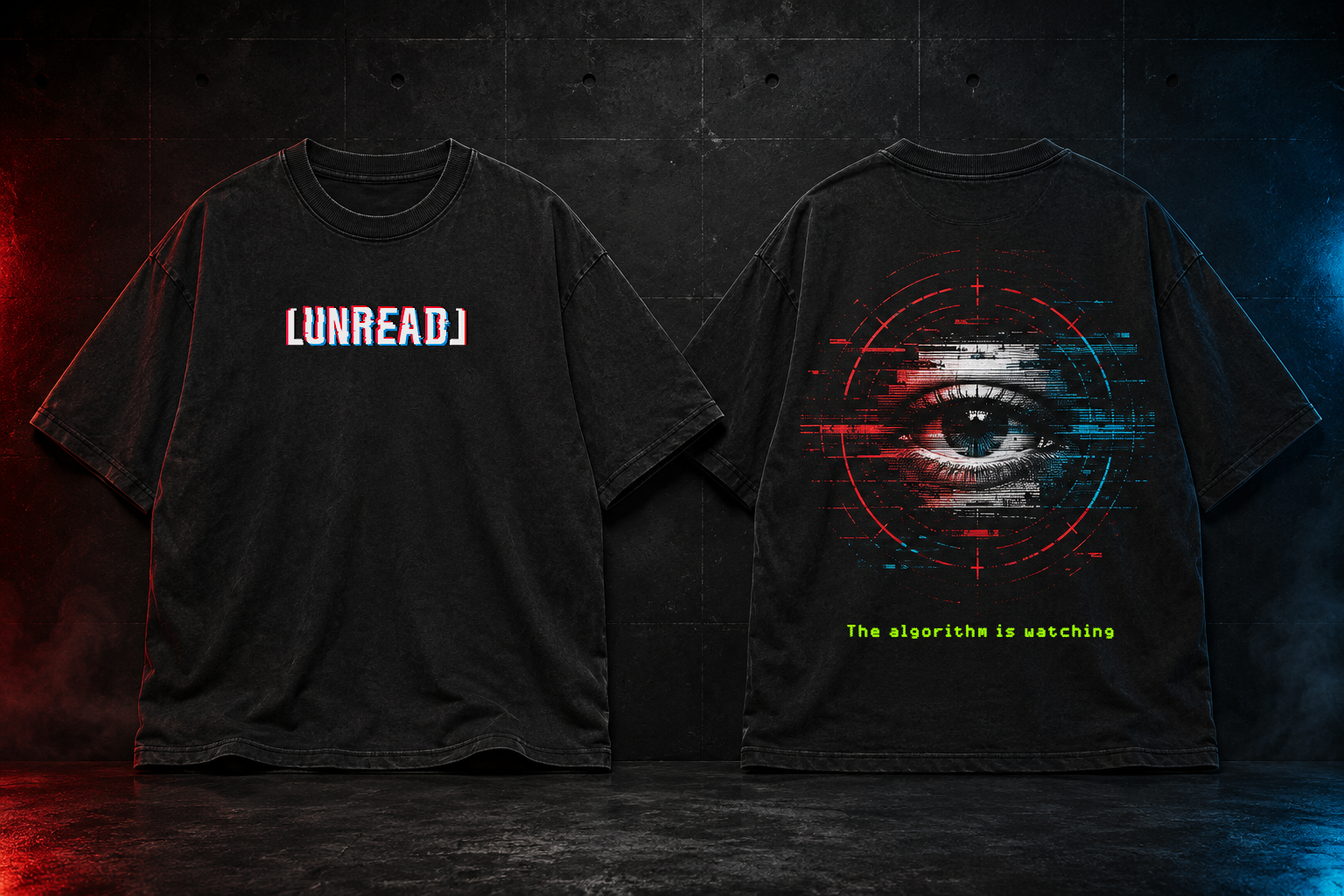
The bracketed wordmark breaks along red and cyan offsets. It gives the title the appearance of a signal that cannot quite hold together.
Elsewhere, the language stays precise. Timestamps and short system notices carry the story. “You didn’t look closely enough” does more work here than a long explanation of the threat.
The proposed system reads in-game behavior, including dwell time and scroll reversals, to choose the next event from authored content. It could vary puzzle arrangements and the timing of an anomaly.
This is a design proposal, not a demonstrated game engine. A first playable case would need to show that adaptation changes the experience without making the clues feel arbitrary. The concept keeps private photos and contacts outside that system.
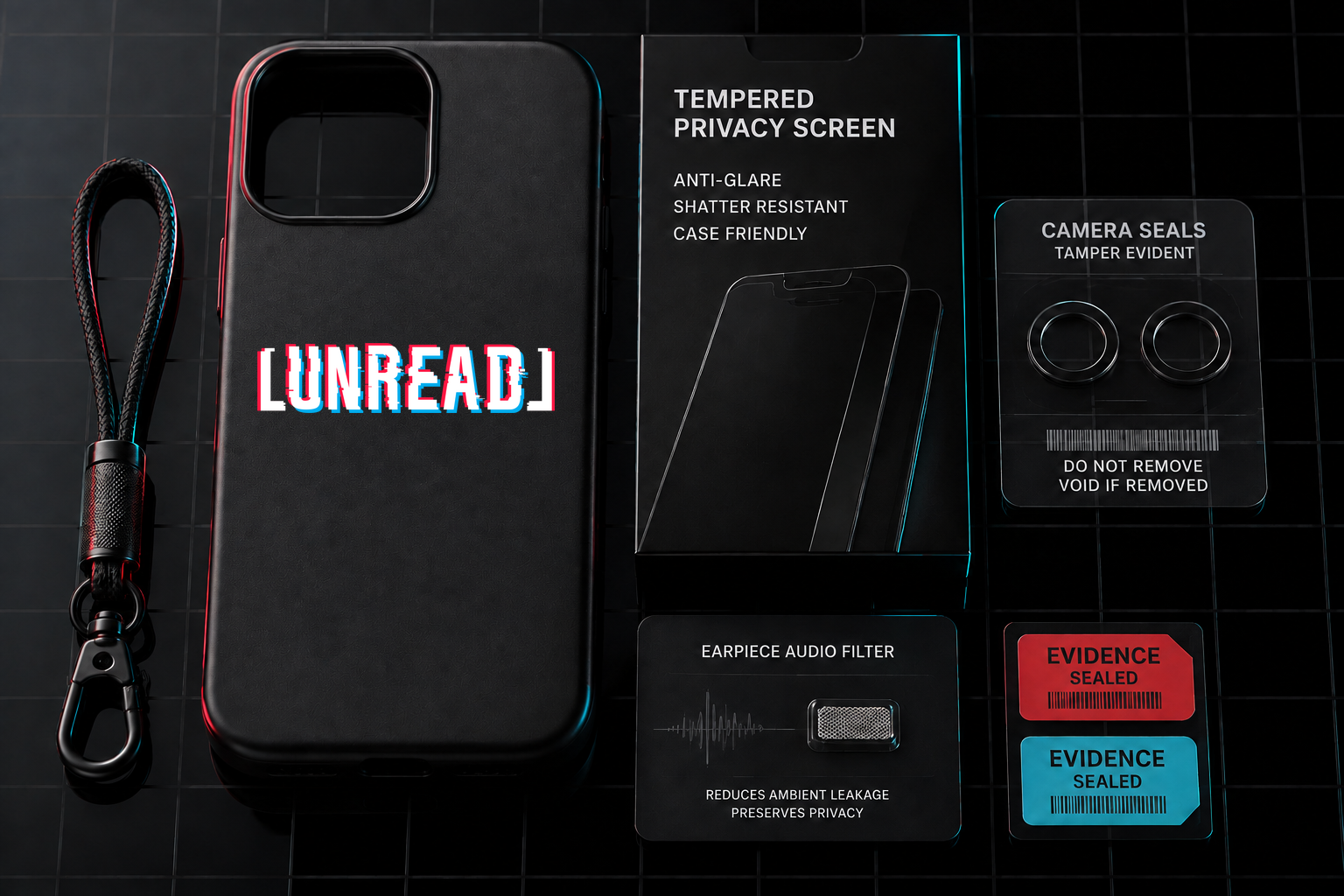
The device kit treats familiar phone accessories as case equipment. Numbered evidence tags make the packaging feel like something recovered from the archive.
A proposed first drop of 100 kits gives creators and press a physical way into the story. The objects remain useful after the reveal.
The observer tee carries the mark on the front and a surveillance eye across the back. The numbered shell keeps the same identity quieter, with a small chest mark and edition patch.
Both belong to the game’s world. The proposed audience is staff, creators and early supporters.

A familiar post becomes the opening scene. Short digital ads lead into a five-minute encounter with User Zero’s phone.

Look closely.
Listen again. Open the case.
The proposed click-through opens a short browser case. At an event, it offers a timed visit to The Recovered Phone.
One evidence desk. Five minutes. A host introduces the case, then the visitor decides which clue to follow. A small room keeps the first activation practical.
THE RECOVERED PHONE / EXPERIENCE CONCEPT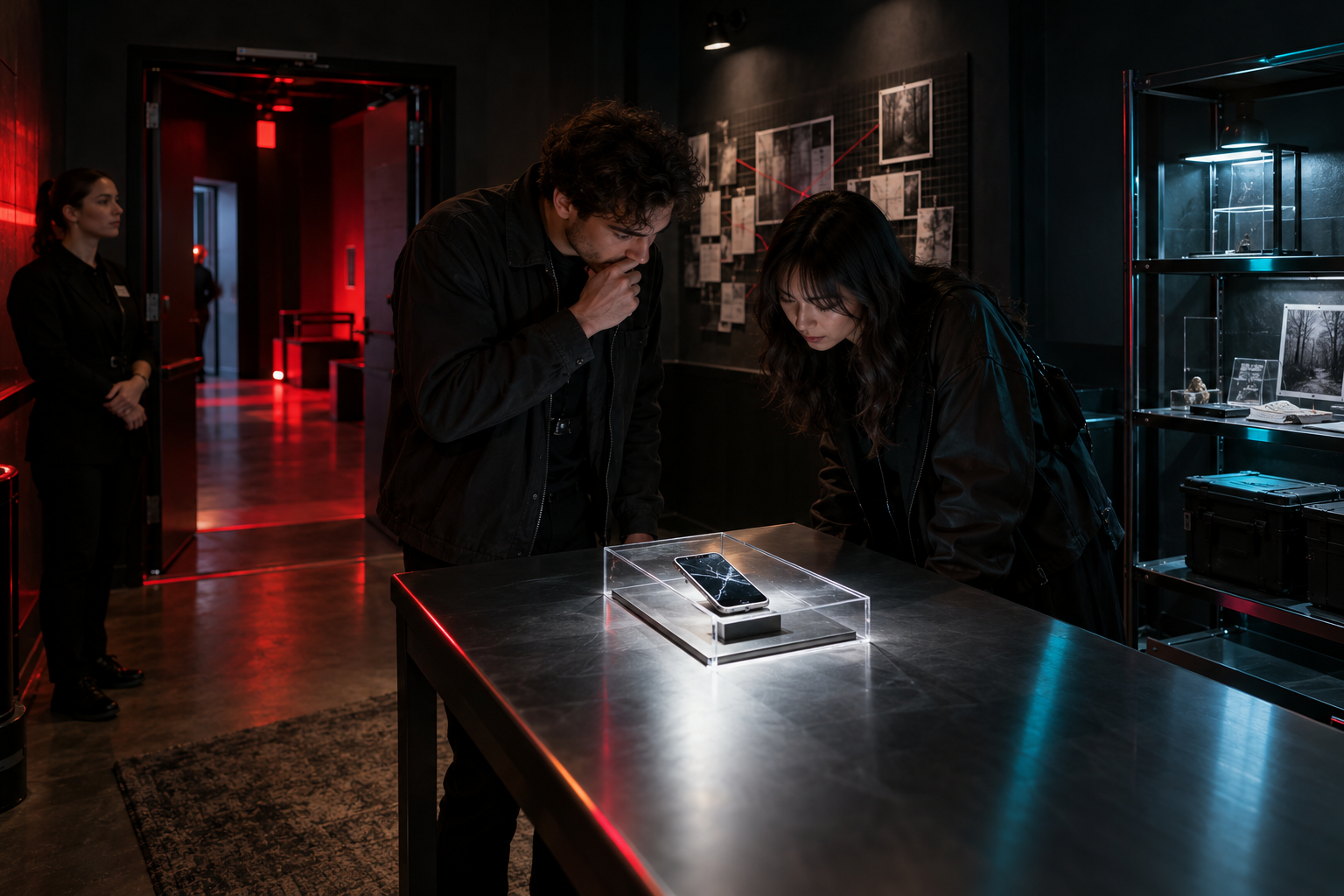
Choose the intensity before entering. A host explains that calls and messages are part of the fiction. You can leave at any time.
The takeaway is a numbered case card with a short URL and QR route into the next clue. The device kit becomes a separate creator edition.
Whether people understand the first clue, finish the short case and choose to continue at home. Observe where tension becomes confusion.
The first release in the proposal is a free prologue. Paid cases would continue the story. An Endless Archive could follow once the core experience works, using authored fragments to vary later visits.
The first proof is narrower: can the interface sustain the illusion, and can a player follow the evidence? Creator reactions would help test whether the hook makes sense outside the game.