THE SHARED ANATOMY
Memory, names, silence, testimony, return, place, forgetting, and the body connect every story.
EDITORIAL / EXPERIENCE / MOTION
WHERE I STARTED
These five horror stories share a fear of losing recognition. A name stops meaning anything. A memory becomes unreliable. I wanted each cover to show a particular failure while keeping the books visibly related. That gave the collection a clearer direction than darkness alone.
“Keep the identity in the form of an archive whose records cannot quite be trusted. A missing name or conflicting testimony can make a familiar page feel wrong.”
WORKING THROUGH IT
Memory, names, silence, testimony, return, place, forgetting, and the body connect every story.
The collection's horror comes from losing the self before death.
Each novel attacks recognition differently. Imitation drives one story, while repetition or an unreliable memory shapes others.
Searching damaged records exposes identity errors, making the act of finding your way part of the unease.
THE IDENTITY
The archive looks orderly enough to search. Missing names and conflicting records make that order unreliable.
The fear of being undone before death.
THE VISUAL LANGUAGE
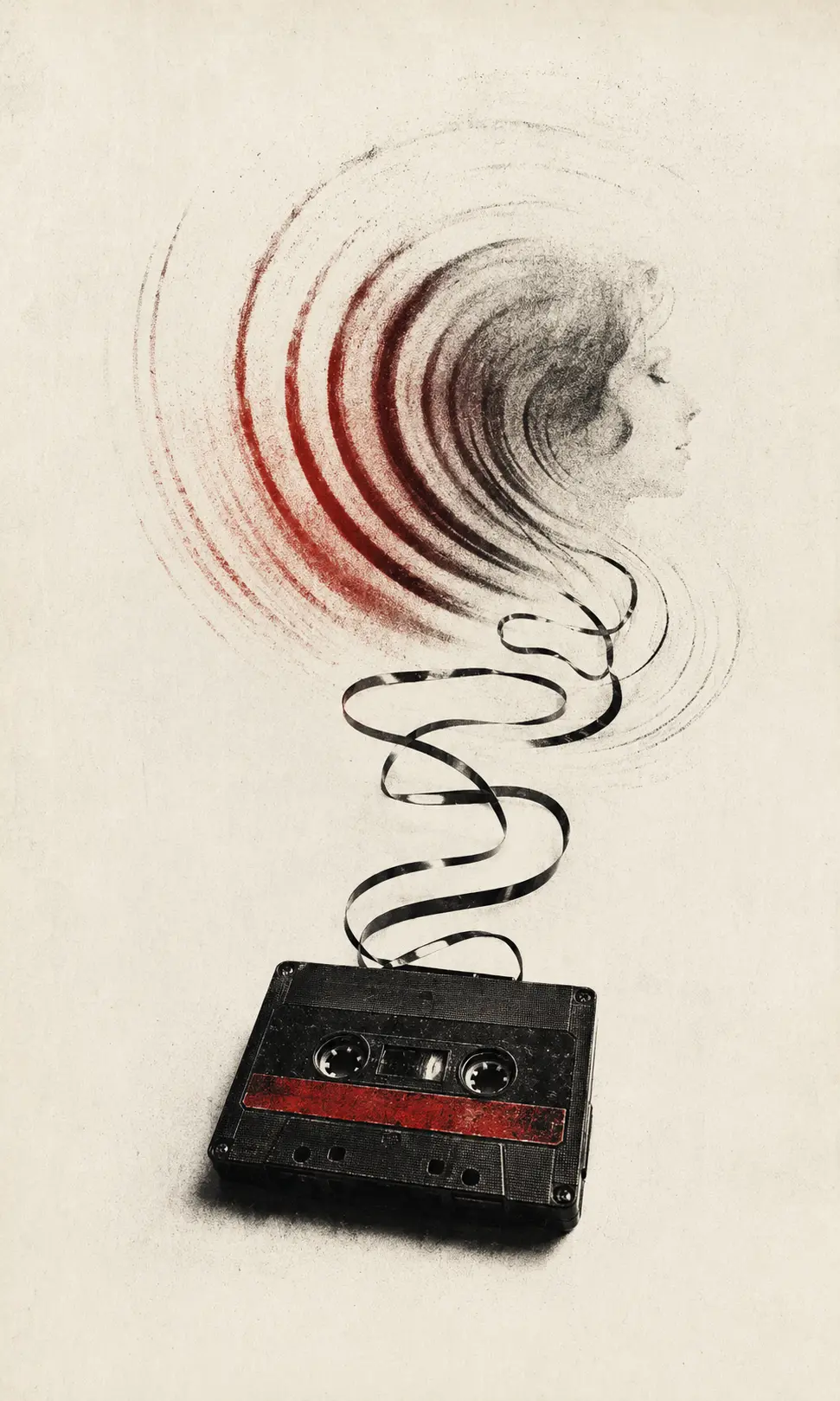
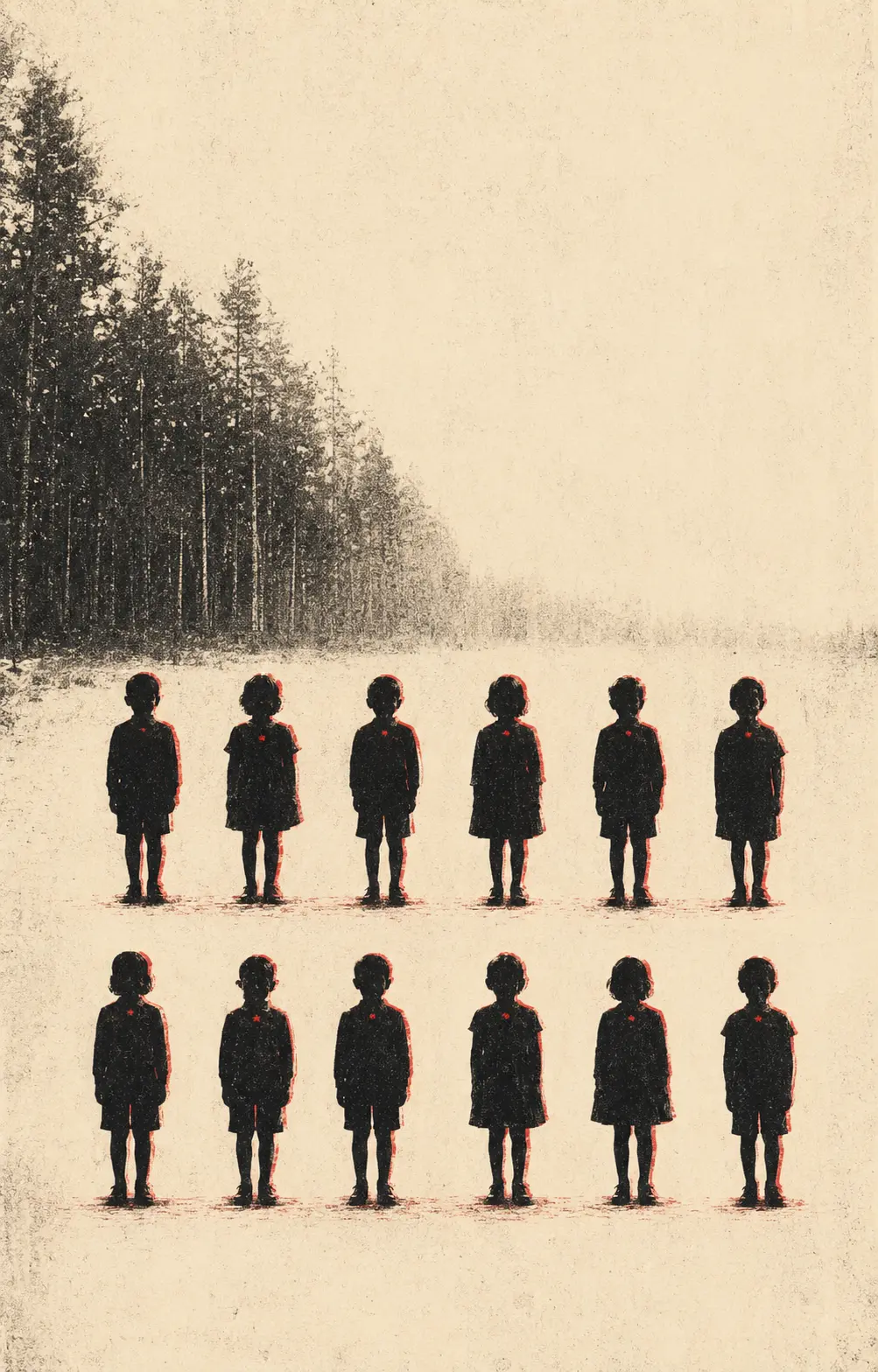
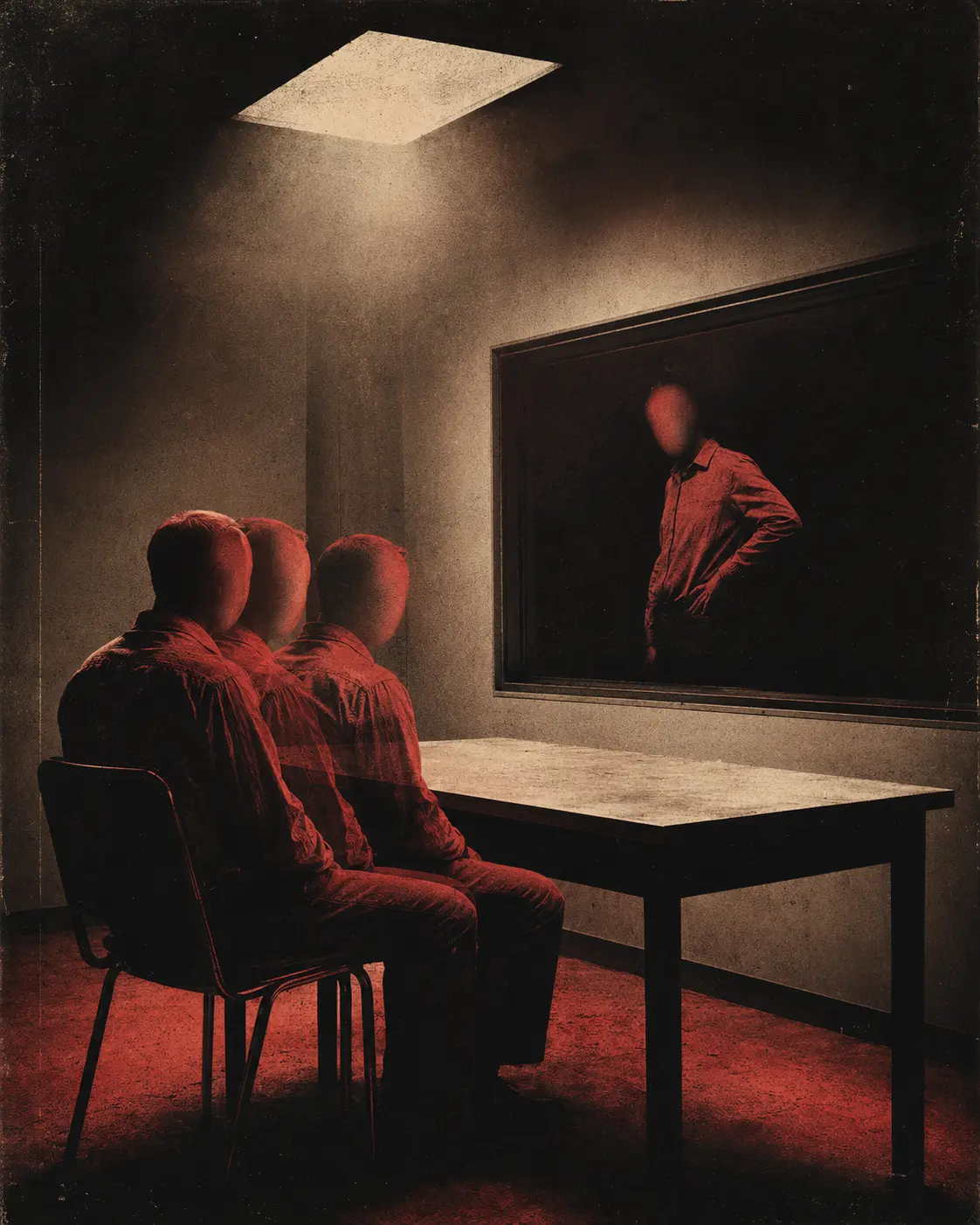
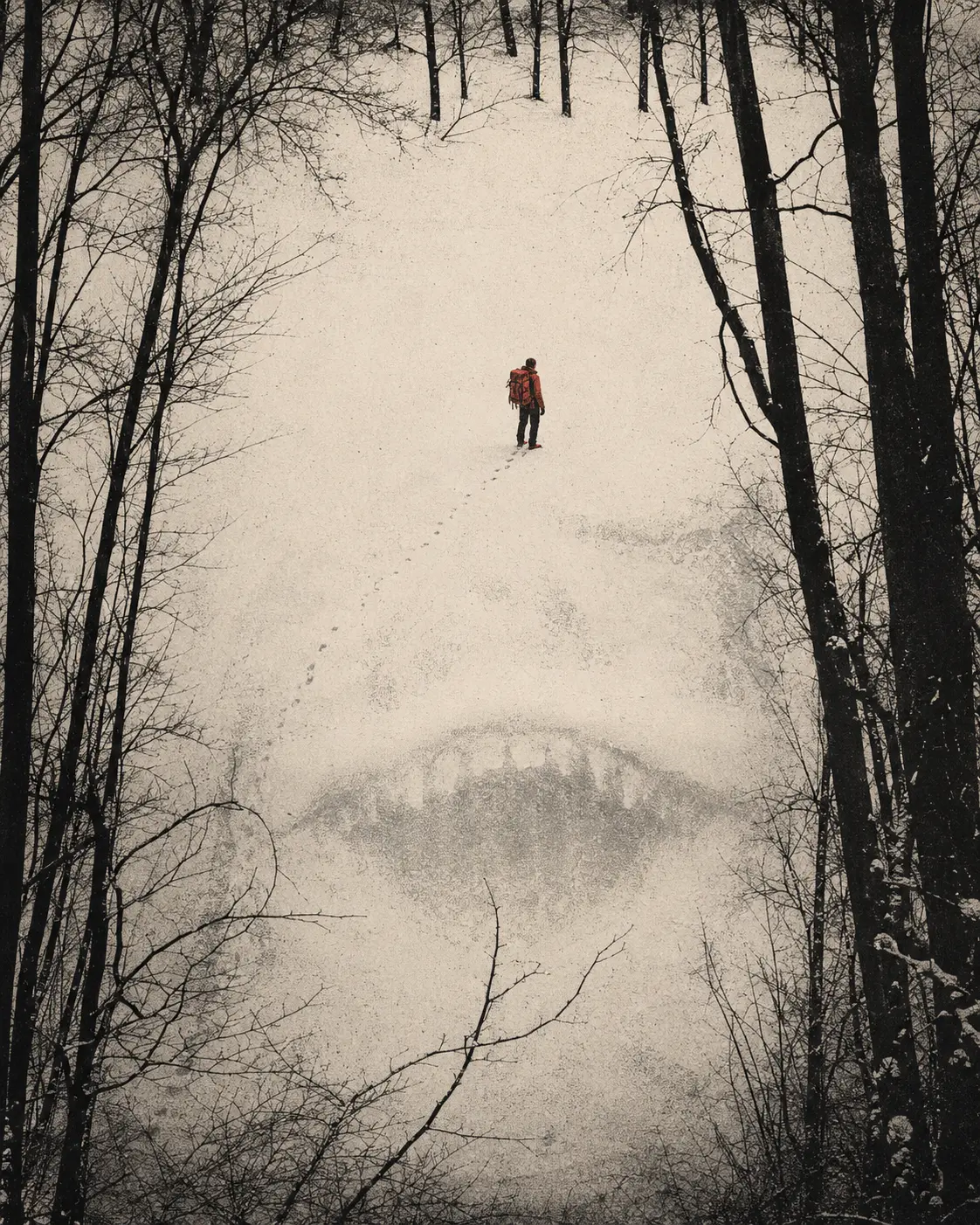
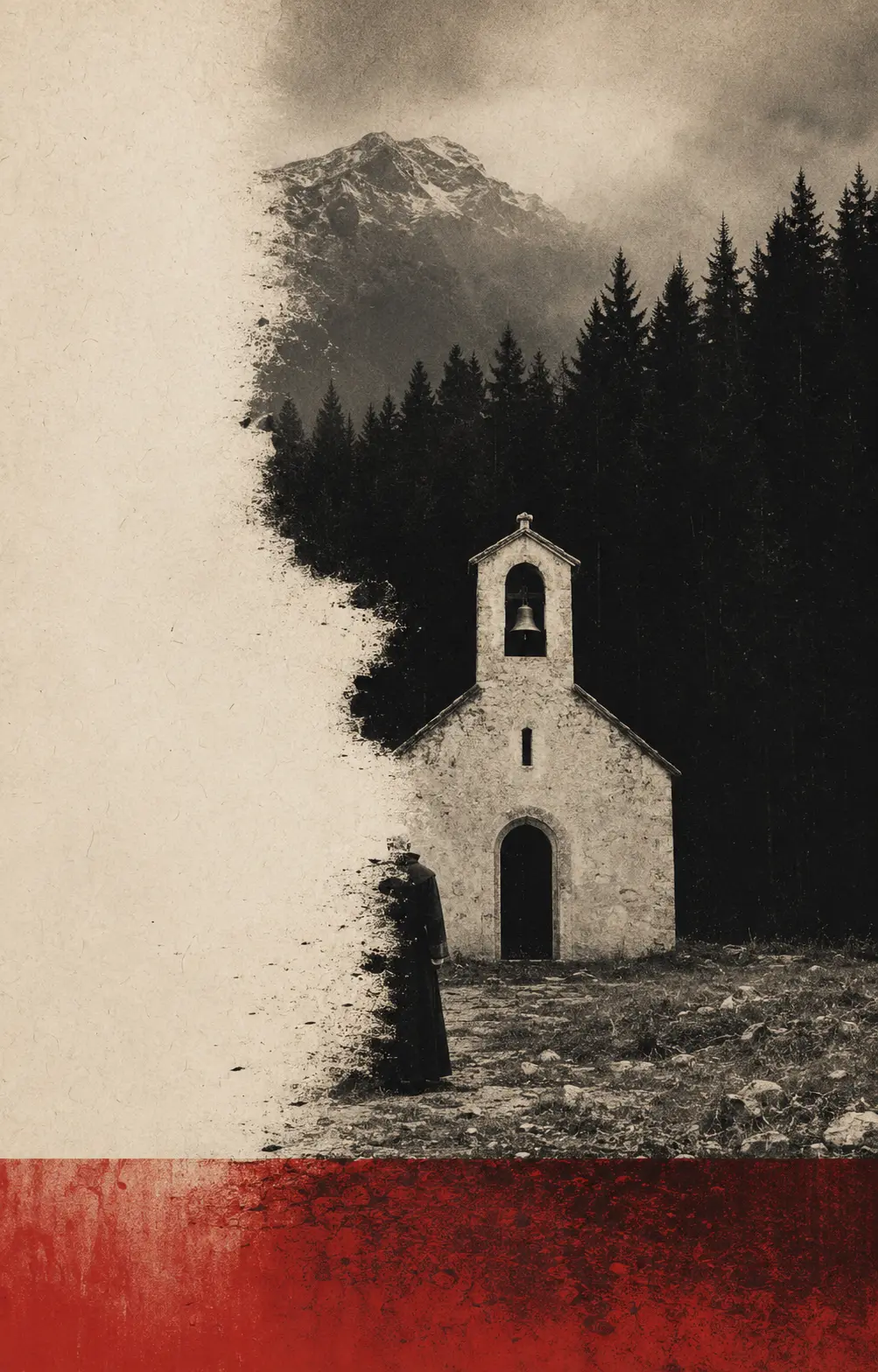
Each cover shows a different failure of recognition. The shared treatment makes the five images look like records recovered from the same archive.
APPLICATION
The covers establish one collection. Archive language and a thematic index connect the five stories through their shared obsession.
EXPERIENCE
The site starts with an identity search that cannot resolve. From there, visitors find the five novels and their shared themes, with the underlying structure visible without explaining away the fear.
A search fails to find the identity the visitor entered. That is where the site’s unease starts.
Memory, names, testimony, and forgetting orient the collection.
Explain enough of each novel’s premise to distinguish it. Leave the cause of the fear unresolved.
WHERE THE CONCEPT STANDS
The covers use different images of recognition breaking down, held together by the same restrained treatment. The digital archive continues that idea through an identity search that cannot resolve. The result is a visual framework for the anthology.
VIEW THE PROJECT ↗