A PROMISE OF DISCOVERY
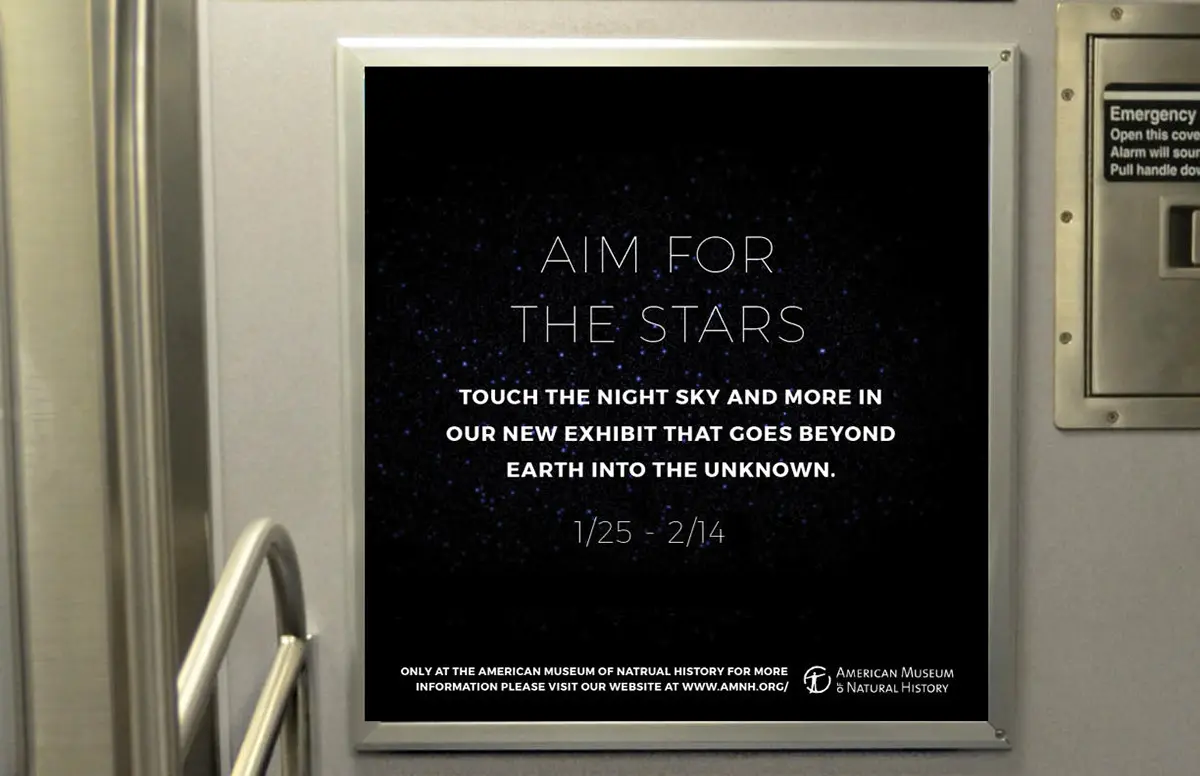
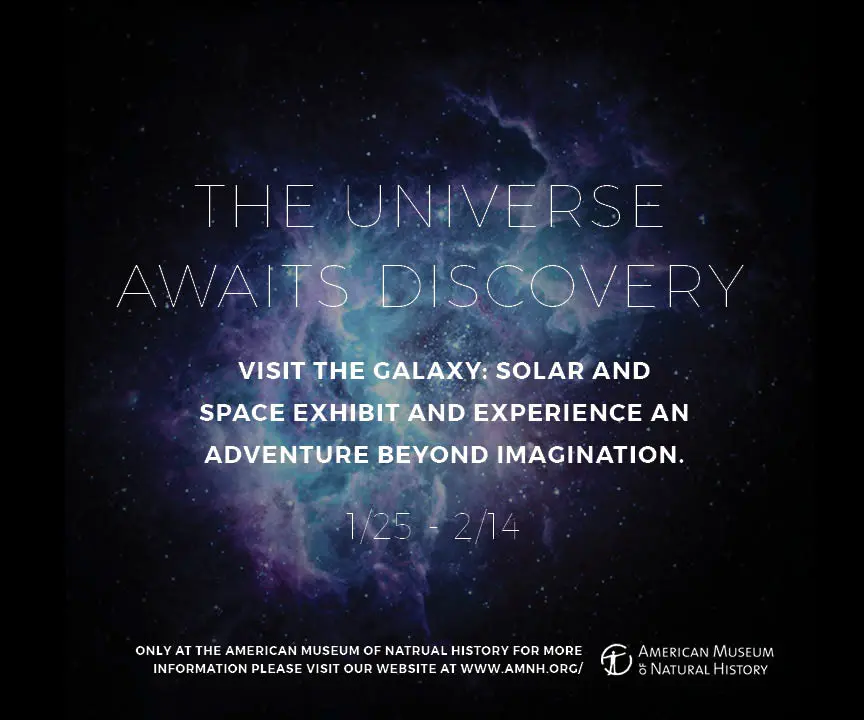
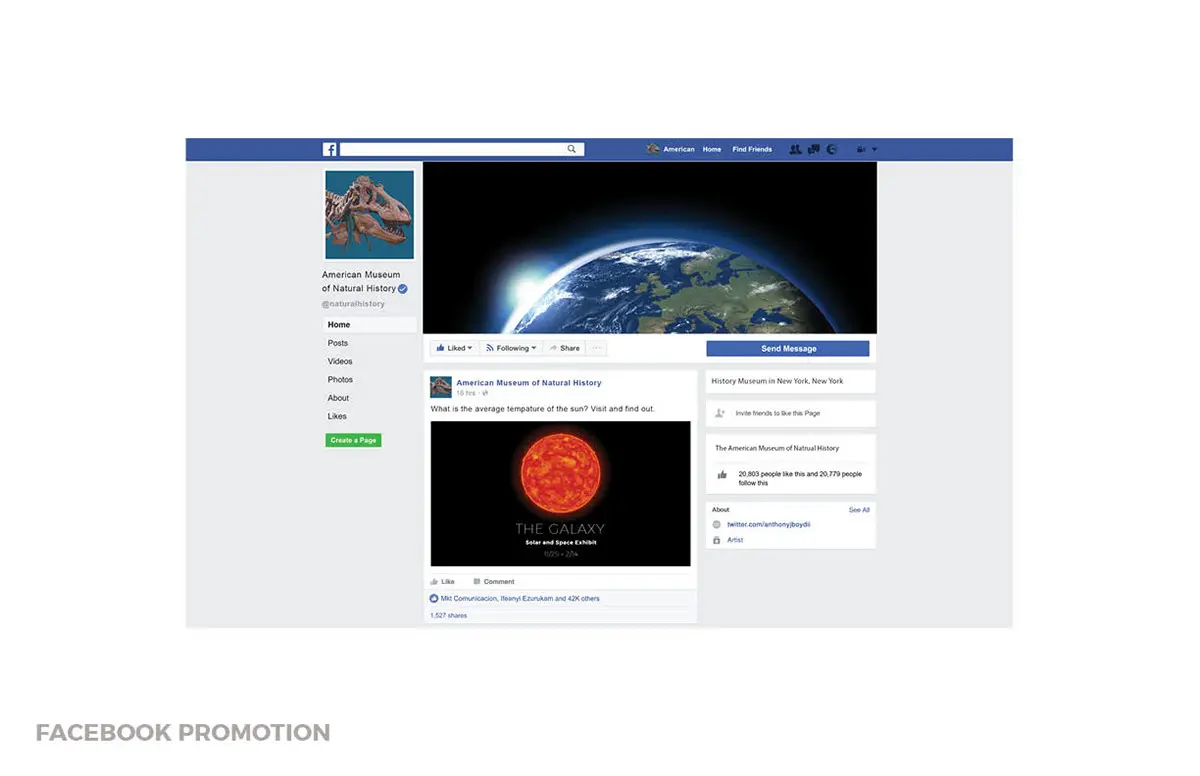
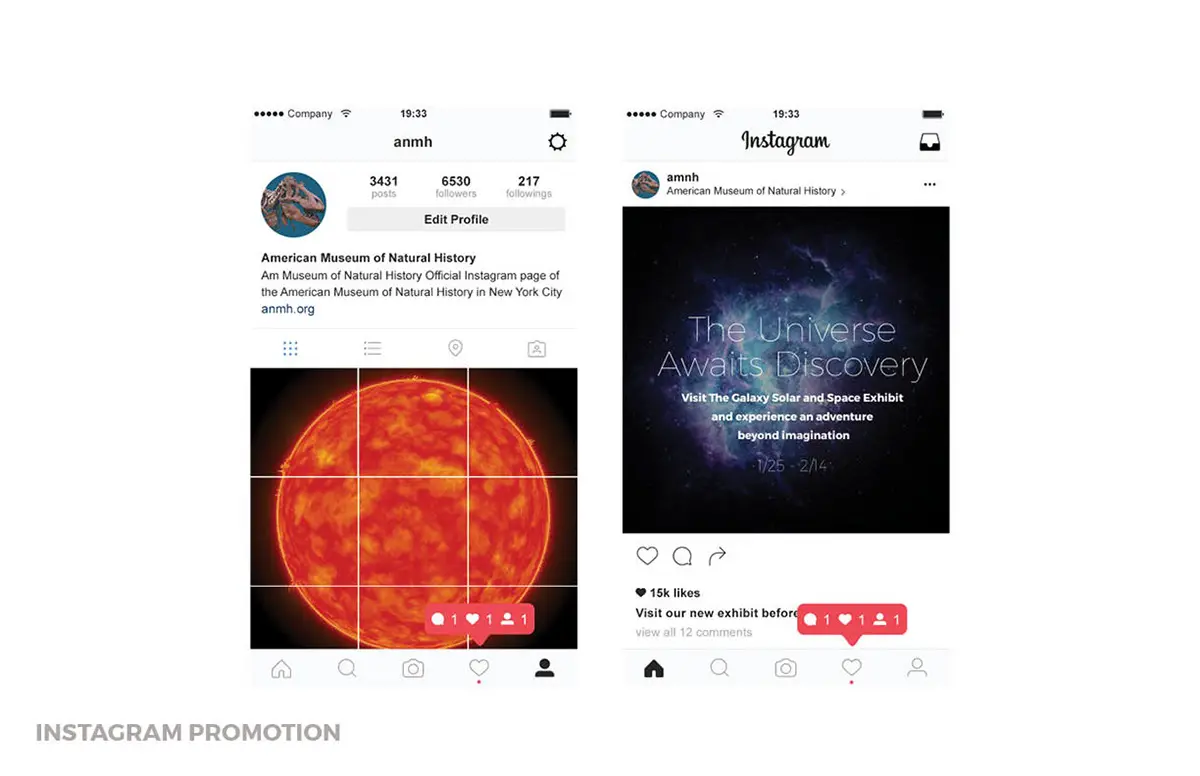
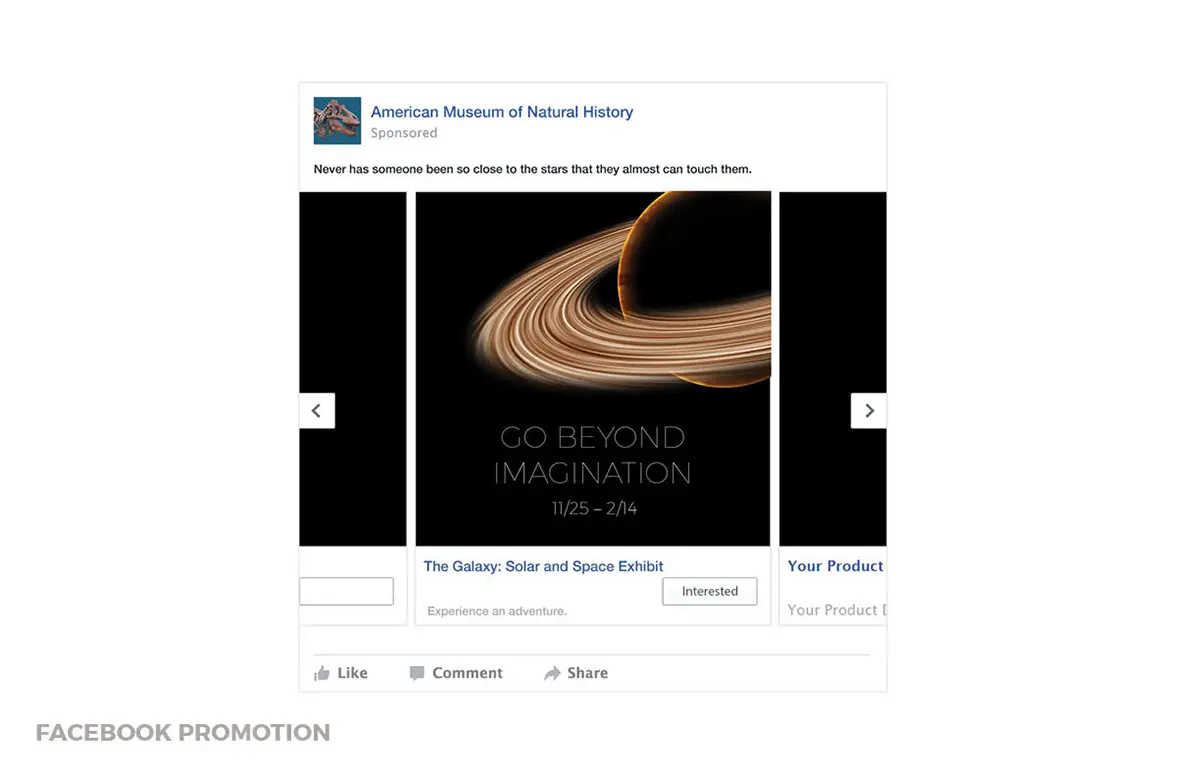
Transit and social ads invite people to touch the night sky, then follow the stars into space.
ENVIRONMENTAL / DATA / 3D / CAMPAIGN
WHERE I STARTED
The original study began with a difficult scale problem. Visitors need to find their way through a building while trying to understand distances far beyond it. I used orbital relationships to connect the map to the subject. The later exhibit concepts extend that structure into moving displays and a public campaign.
“Use the orbit lines to guide visitors from the city into the museum. The interactive map then leads through eight planets and onward into deep space.”
WORKING THROUGH IT
Transit and social ads invite people to touch the night sky, then follow the stars into space.
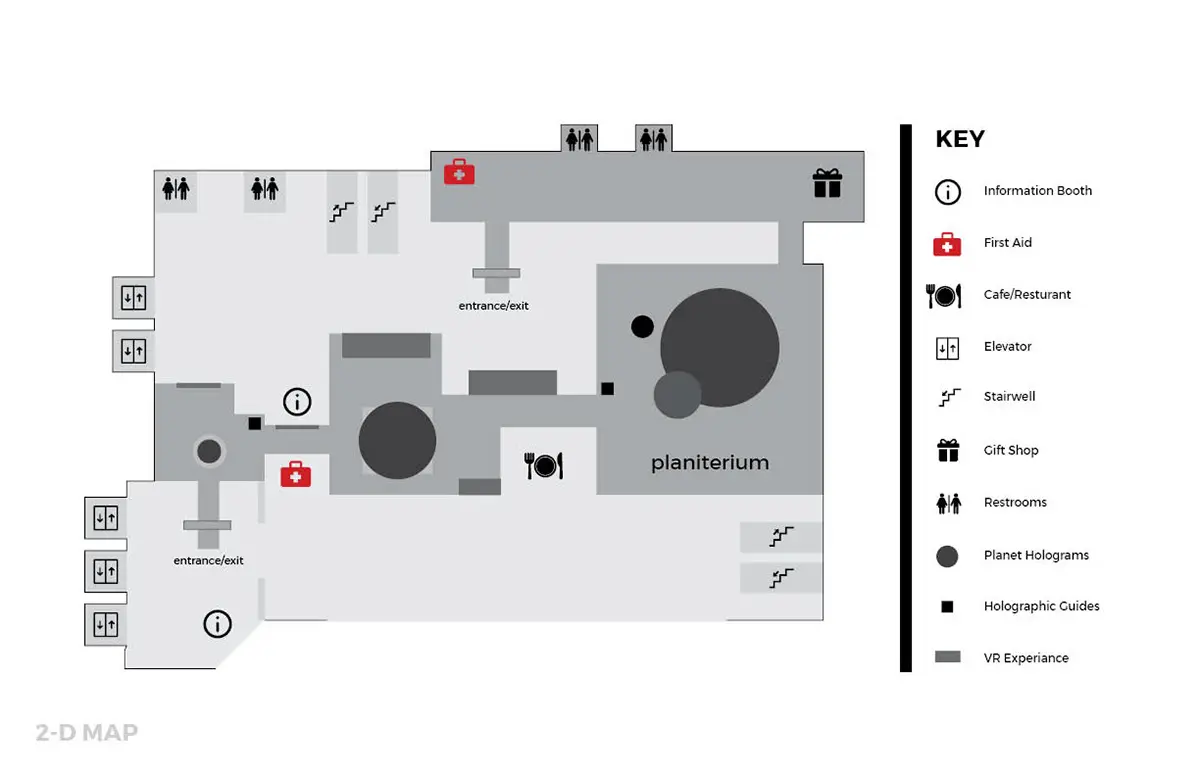
2D wayfinding and 3D floor plans give visitors a stable route through intangible holographic content.
Each planet has its own scale, atmosphere, movement, and story within one mapped system.
Keep the orbit lines readable on the phone map. The same paths can expand across a museum wall or projected floor.
PROPOSED FIRST EDITION
The original map supplies the structure. I would test one planetary chapter in an existing education room before building the proposed holographic gallery. The visitor should understand where they are and where the route goes next.
All eight planetary directions and the large gallery scenes remain below. They expand a tested route. Holographic displays require their own technical study and venue plan.
THE IDENTITY
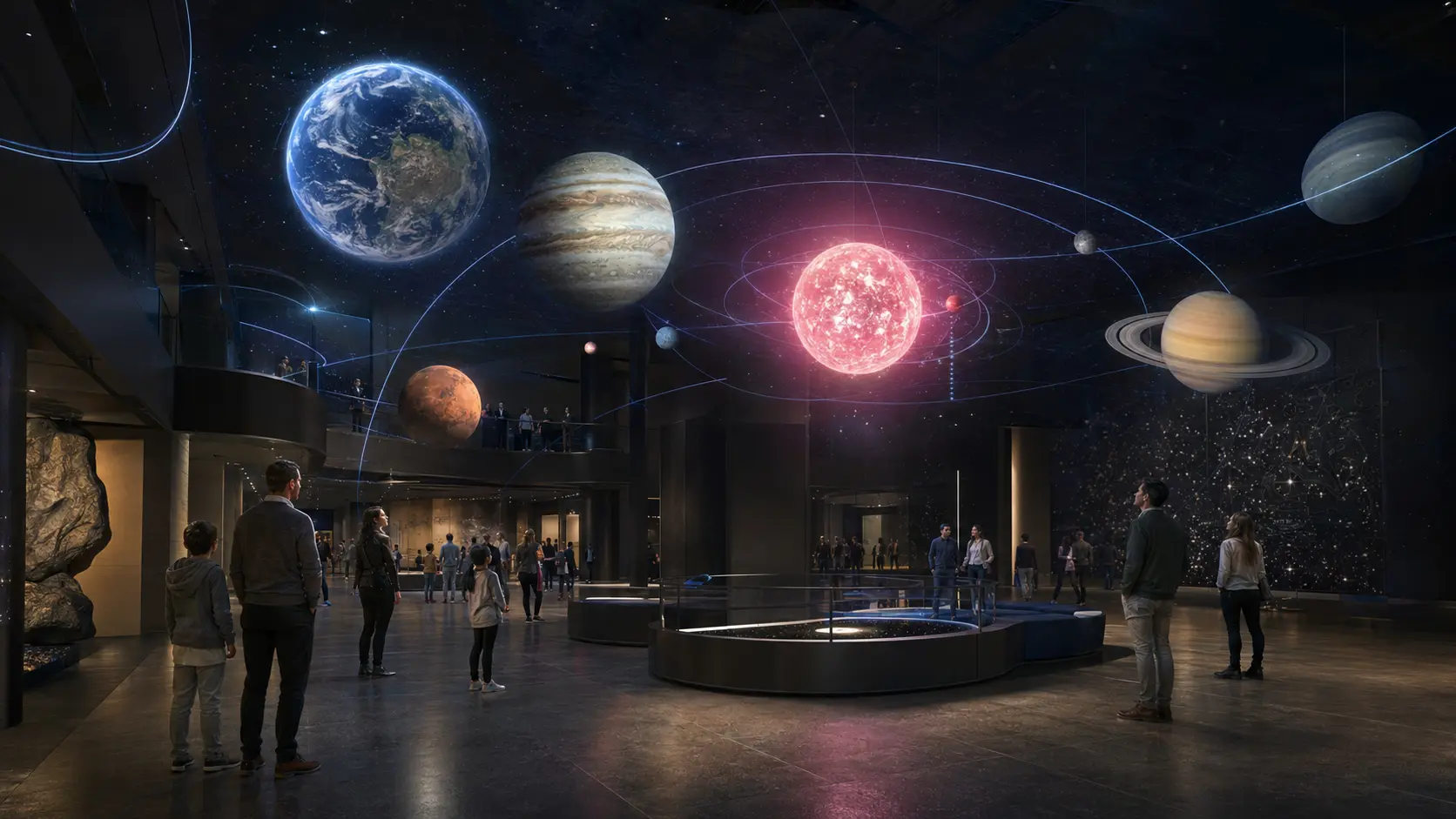
Cinematic planets fill the deep-space setting. Fine informational type helps visitors find their way without losing that sense of scale.
The universe awaits discovery.
THE VISUAL LANGUAGE
Maps, labels, orbital paths, and scale comparisons locate visitors among cinematic planets. Each celestial object has a route and a story, with distinct behavior.
APPLICATION
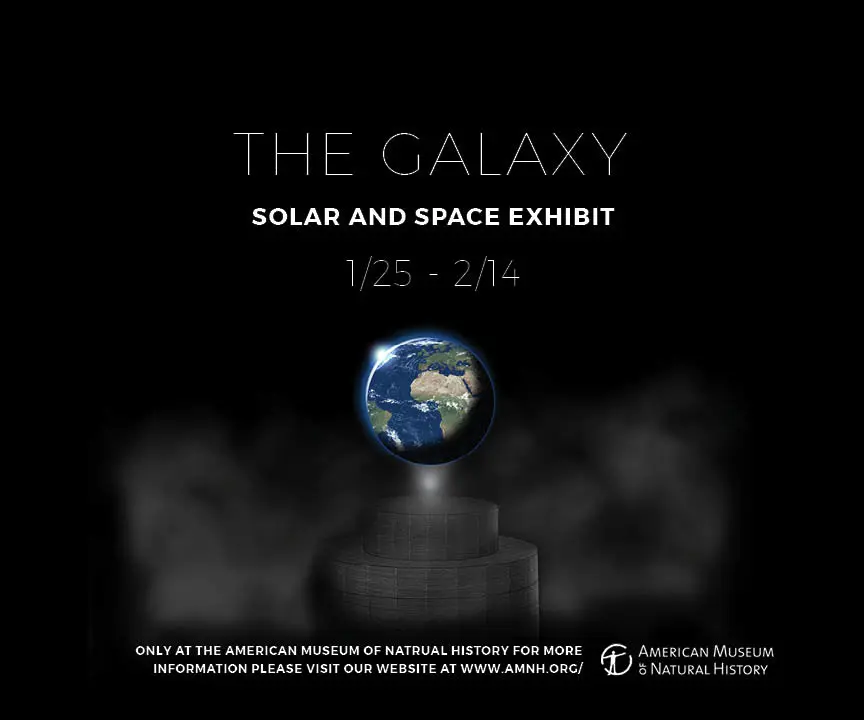
Transit and social ads reach visitors before the museum, supported by digital media. Inside, a mapped route guides them through the planets.
EXPERIENCE
The campaign leads into the museum map. From there, visitors choose a planetary route and find the projected exhibit chapters along it.
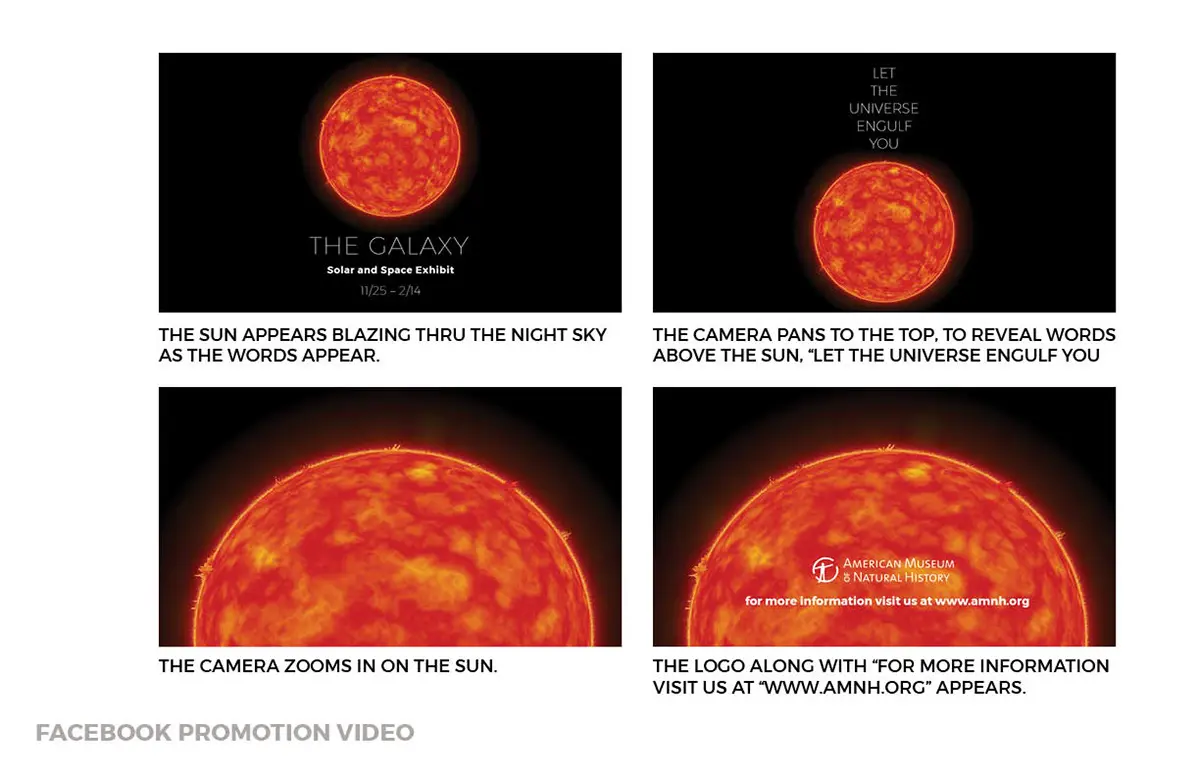
The original floor plan becomes a selectable route across the Sun, rocky worlds, gas giants, and deep space.
Use rotation and orbital speed to give each planet a distinct motion. Scale comparisons need to stay visible beside the animation.
Planet placement determines the visitor's viewpoint, with projected data designed around both.
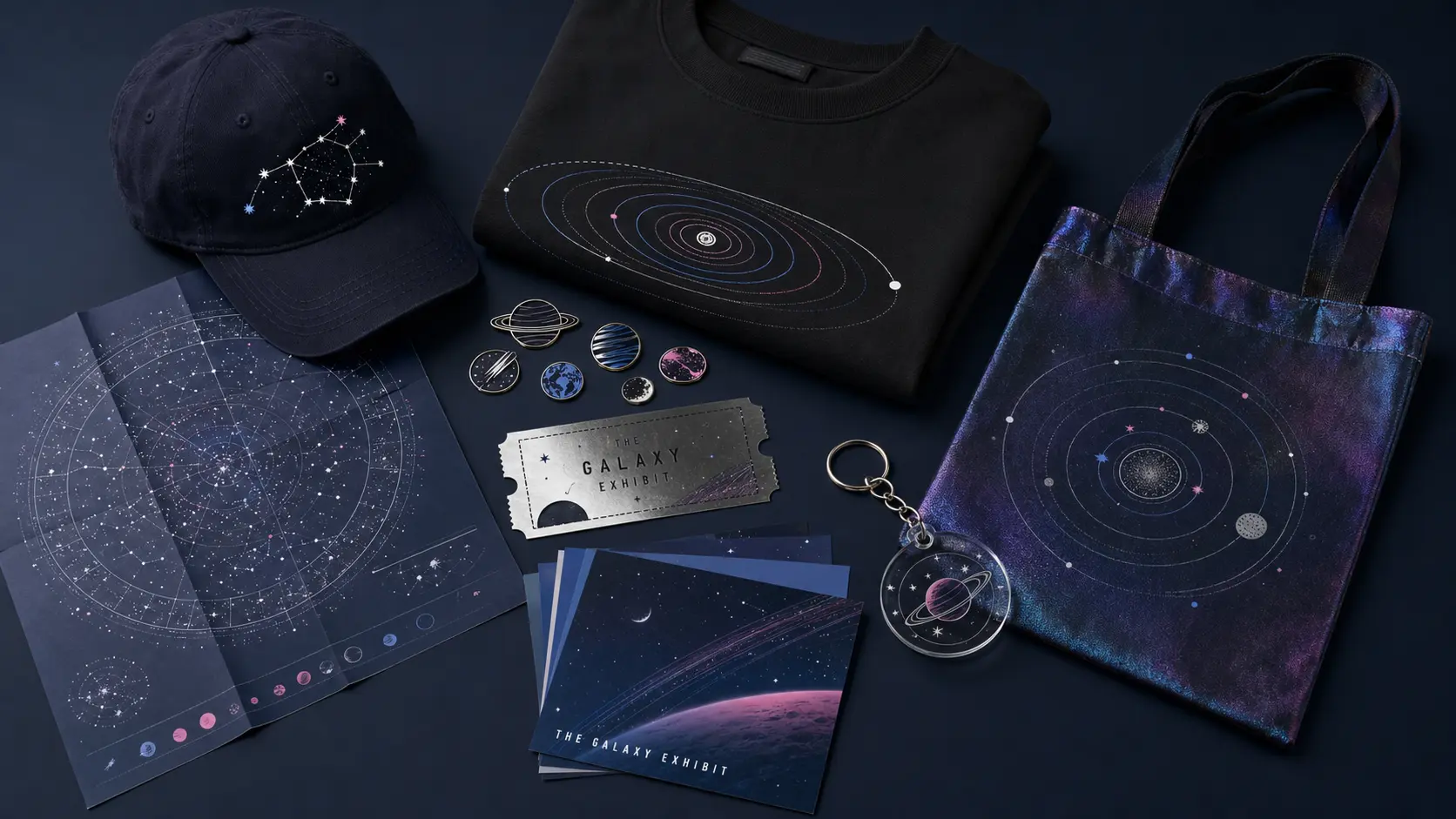
Put the same planetary artwork on the ticket and transit ad. Museum-store objects can carry an individual planet home.
THE WIDER DESIGN STUDY
The following designs explore later editions. Their rollout depends on the first encounter working and each partner agreeing its part.
The original floor-plan study gives the exhibit proposal a route. I imagined the larger installation for the Rose Center, with planetary projections along that path. The campaign would reach visitors before they arrive. This is an independent museum concept.
Select a destination to reveal its exhibit story. The map keeps the original floor plan as its starting point. The proposed guide can adapt to a phone or a larger museum display.
Begin at the system’s anchor. A suspended solar hologram reveals convection, flares, scale, and the light that reaches every world.
Each planet rotates within its orbit. Hover or focus to slow it down and read the label. The motion needs to help you compare the worlds.
Volumetric planets sit within projected orbit lines. Responsive labels explain the astronomical information around visitors.
Use the planets’ scale to catch attention in transit. Carry the orbital paths onto the ticket and museum screen so the route is already familiar at arrival.
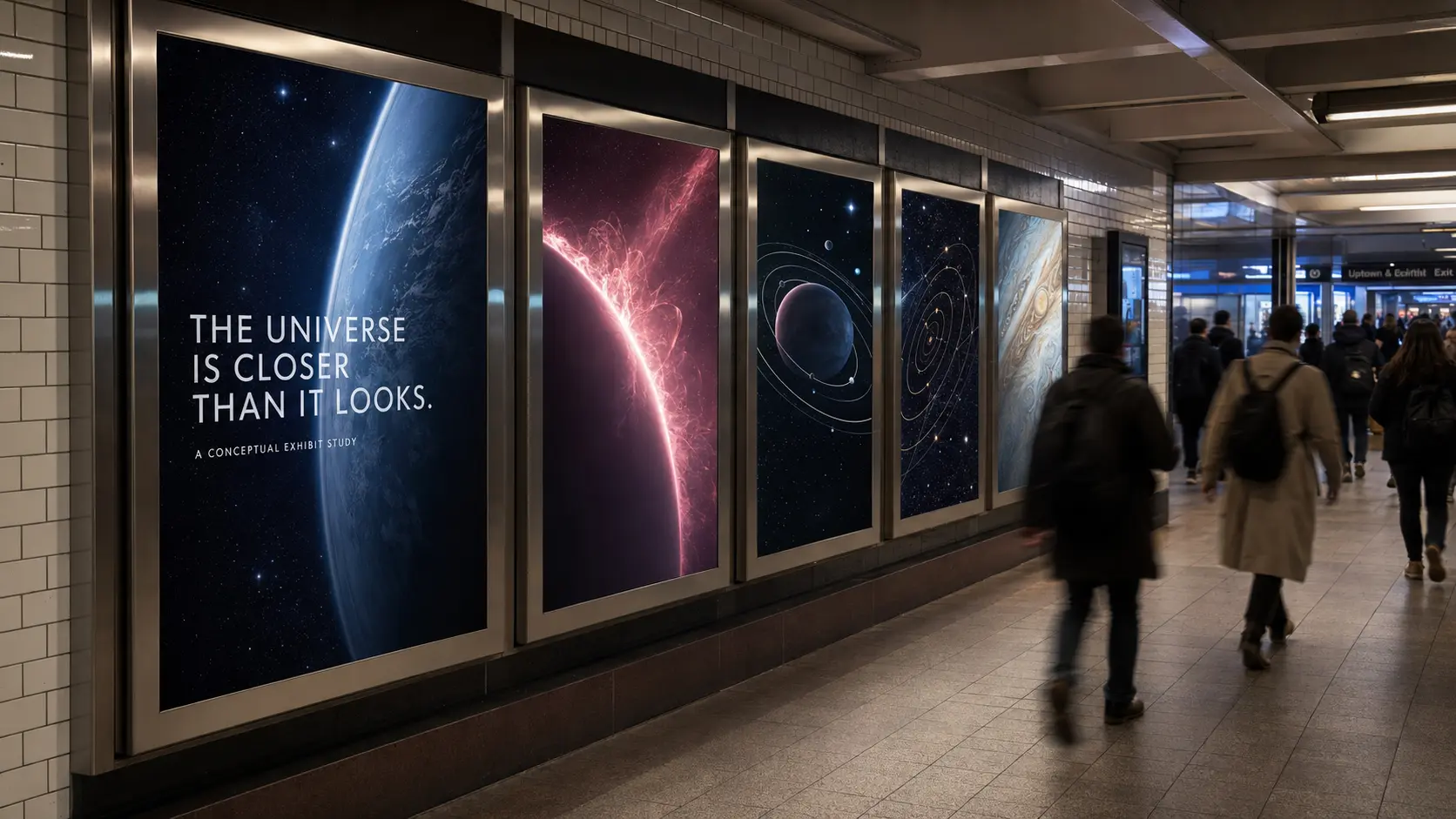
Creators turn a planet's strangest fact into a reel or carousel. A live museum challenge offers another format.
Transit media turns each stop toward the museum into one stage of the solar system.
Evening tours connect holograms to planetarium programs, with limited releases.
A saved route follows visitors home with their selected worlds and facts, plus a date for the next observation.
The proposed store objects let visitors take a planet or field note home. Their scale comparisons should be useful beyond the visit.
WHERE THE CONCEPT STANDS
The original information design gives the expanded museum proposal its structure. Each planetary chapter has a place in the route. The projected and holographic displays are concepts for further development, while the map keeps the visitor’s position visible.
VIEW ORIGINAL PROJECT ↗