EVIDENCE FIRST
Bone, trackway, scale, and scientific uncertainty remain visible beneath every spectacular reconstruction.
ENVIRONMENTAL / INTERACTIVE / CAMPAIGN / MOTION
WHERE I STARTED
A skeleton can be enormous and still feel removed from the animal it belonged to. I used trackways to bring movement into the visitor route. They can guide someone through the city and into the exhibit. Inside, specimen labels need to keep the scientific information close to the spectacle.
“Follow the fossil evidence into a reconstructed animal. Trackways connect that investigation to the route through the museum and the campaign outside.”
WORKING THROUGH IT
Bone, trackway, scale, and scientific uncertainty remain visible beneath every spectacular reconstruction.
Wayfinding leads visitors through the halls as an investigation.
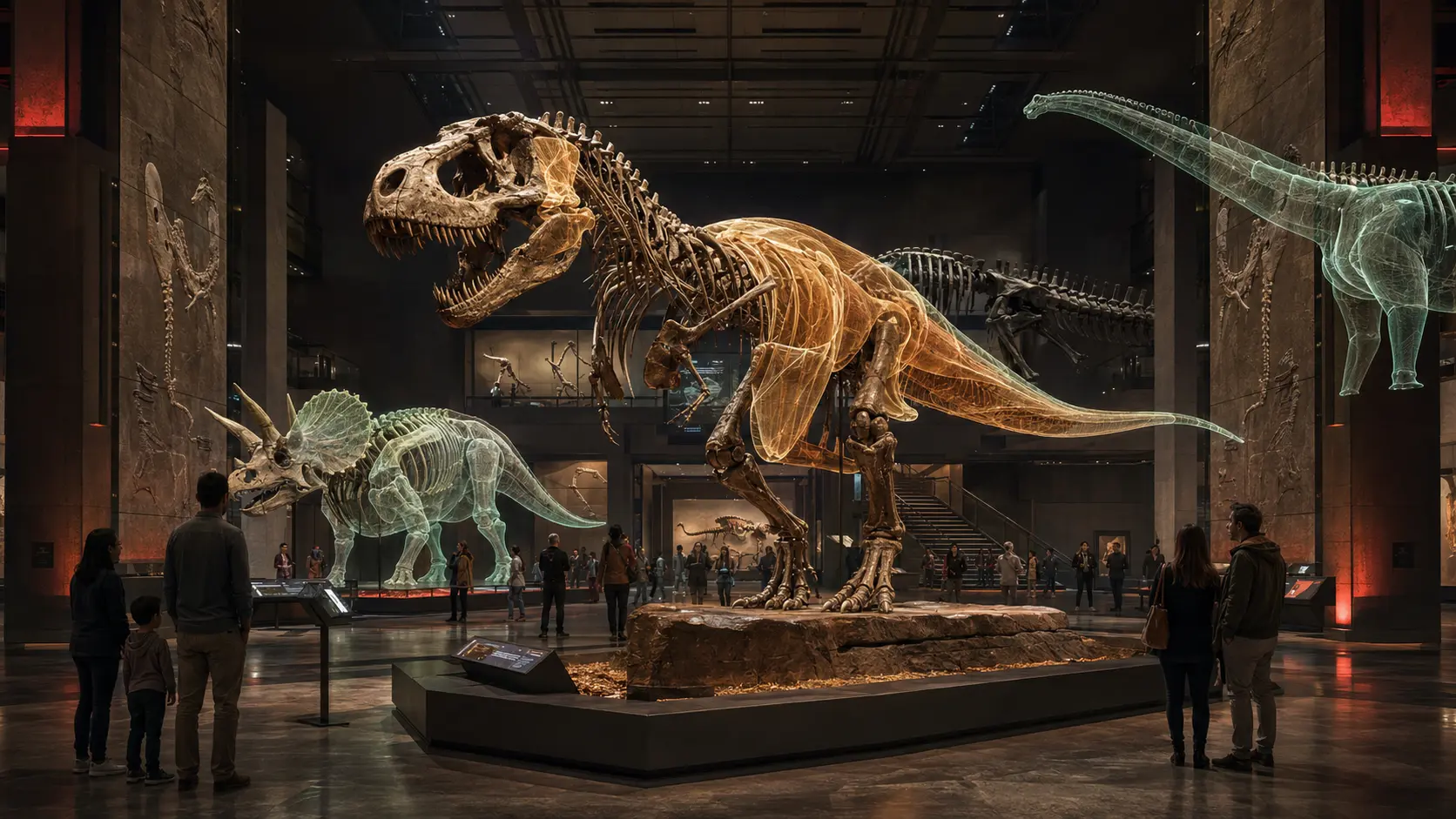
Holograms and animation layer gait, muscle, skin, and behavior onto fossil evidence without replacing it.
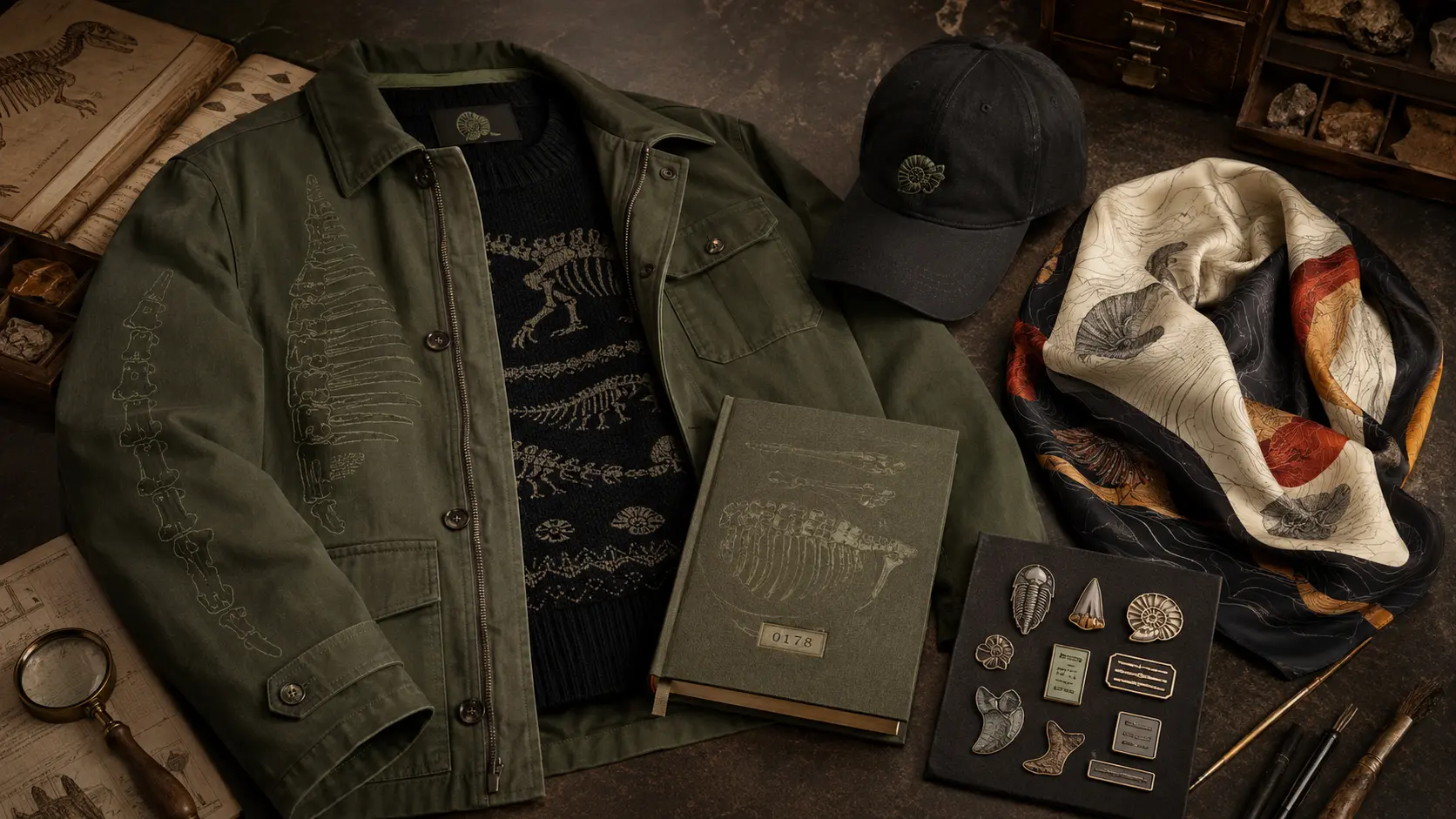
Footprints, social stories, a public field station, and collectible fashion carry the exhibit beyond the museum.
PROPOSED FIRST EDITION
The proposed museum world begins with one trackway station. I would pair a printed route with a short reconstruction sequence in an existing gallery or education room. The evidence needs to remain readable beside the moving animal.
The city field station and full exhibit scenes remain design studies. Larger projection and merchandise directions follow the specimen encounter, with separate production briefs.
THE IDENTITY
Specimen labels provide the structure. Bone neutrals leave room for the fossils, and amber identifies the reconstruction layer. Trackways carry the route onto the floor and into the campaign.
The past is still moving.
THE VISUAL LANGUAGE
Bone silhouettes and sediment lines frame specimen numbers. Trackways lead into translucent reconstructions. The design keeps science visible within the spectacle and public campaign.
APPLICATION
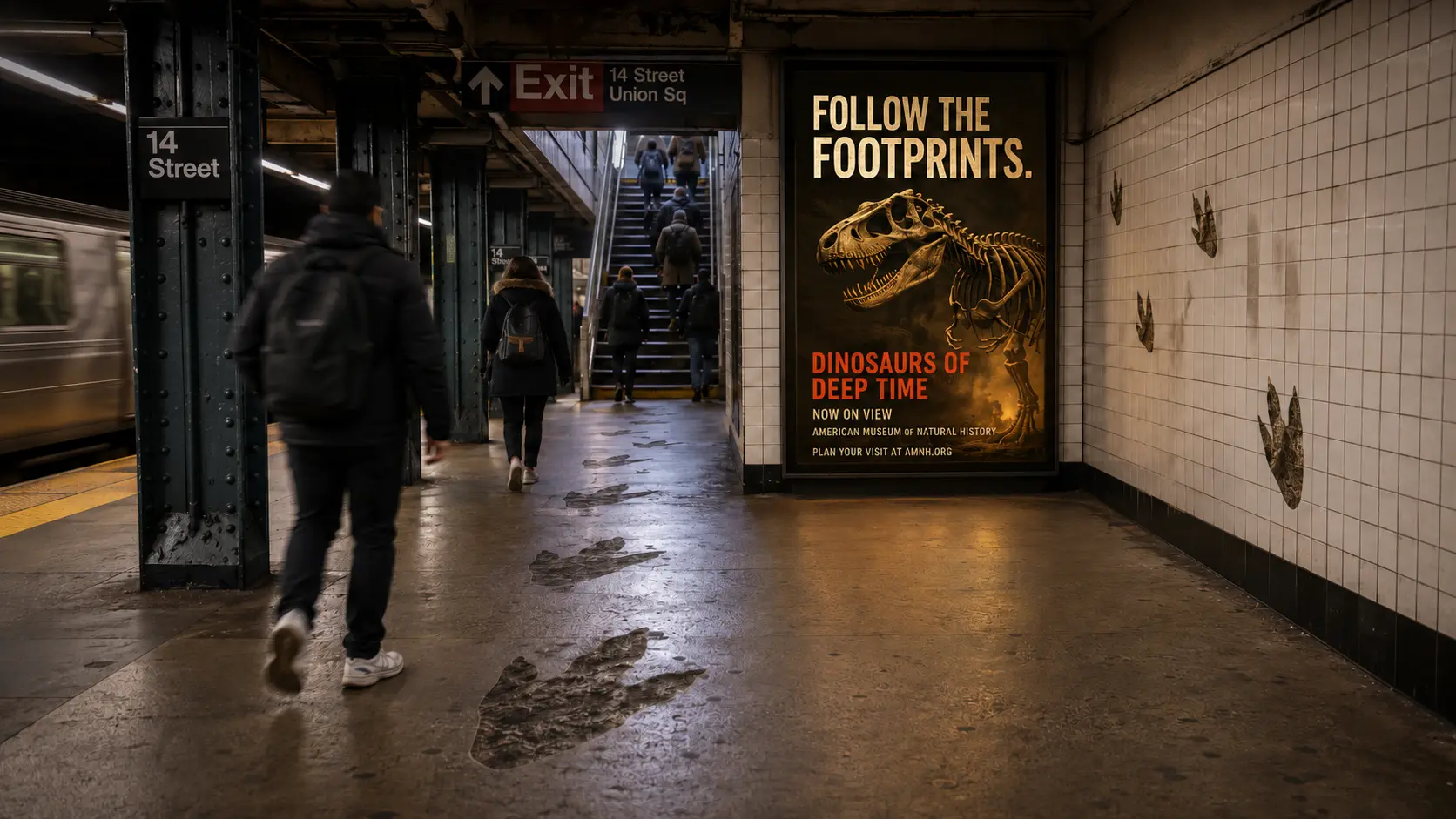
The campaign uses footprints as a connective device across subway stations, digital displays, social storytelling, and a temporary field station in Bryant Park.
EXPERIENCE
Visitors choose a route on the map. At a specimen, they can compare what the fossil tells us with the proposed reconstruction.
Visitors select Titanosaur, T. rex, Triceratops, and the trackway to assemble a personalized route.
Transparent layers distinguish fossil evidence from informed reconstruction and open questions.
A shareable quiz connects personality with behavior, then directs visitors to a matching specimen.
Footprints connect train platforms, station exits, digital media, and the museum threshold.
THE WIDER DESIGN STUDY
The following designs explore later editions. Their rollout depends on the first encounter working and each partner agreeing its part.
Trackways lead from the city campaign into the map. Inside, labels connect the fossils to reconstructed movement. The holograms and public installations are proposed, with the evidence kept visible alongside them.
The map uses real fourth-floor fossil-hall anchors for an original route. Select a specimen to see its evidence and motion study, then find the next stop.
A 122-foot sauropod establishes scale before visitors choose a route through the fossil halls.
Animated layers build from bone through muscle and skin to behavior. Labels distinguish known evidence from inference and open debate.
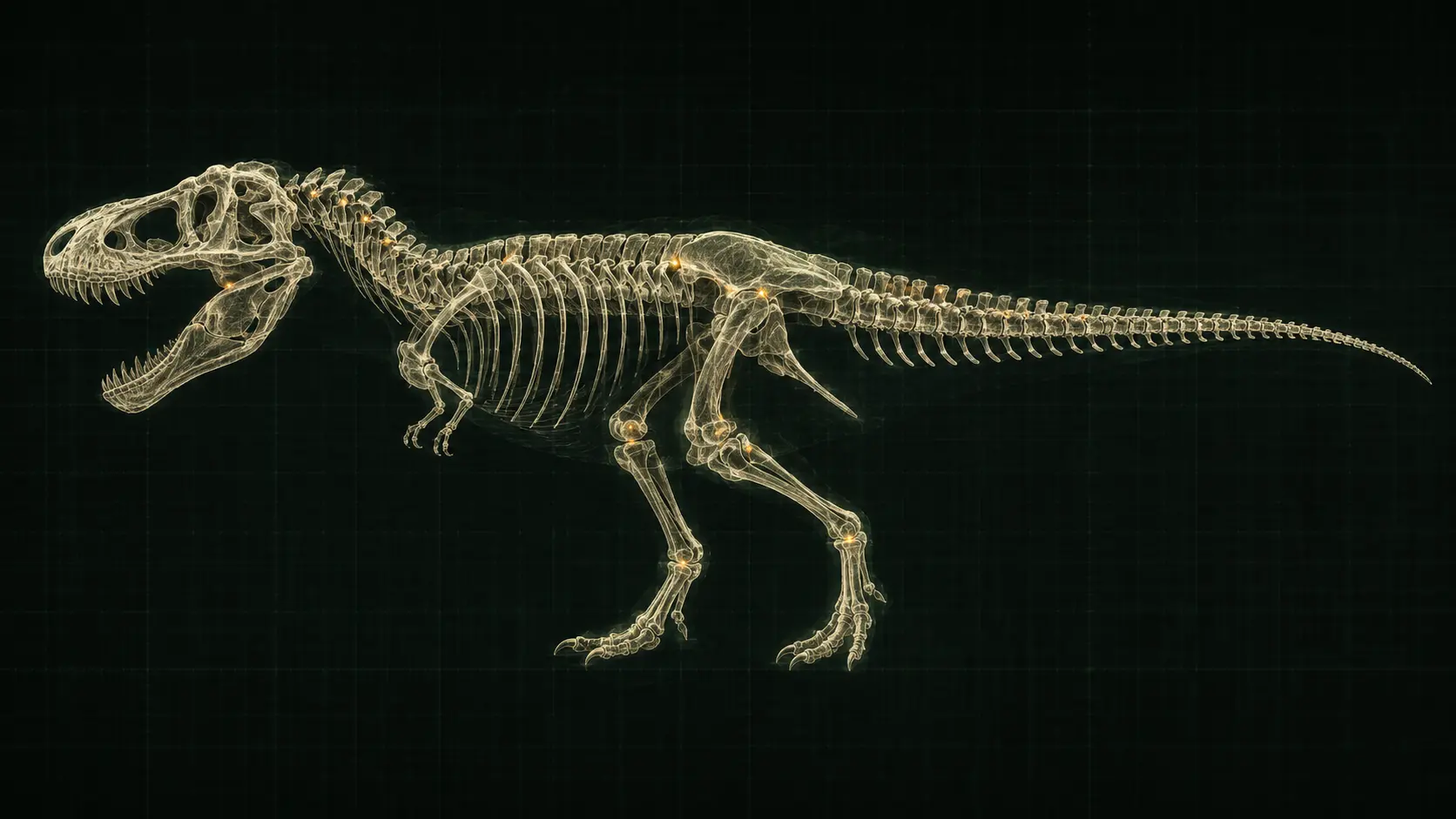
Translucent motion studies align with real mounts so visitors can compare evidence and interpretation from the same viewpoint.
A short museum and social interaction translates behavior into a playful identity card, then points each visitor toward a matching specimen.
The proposed Jurassic Park edition opens the fossil halls after dark. Paleontologists compare the films with current reconstruction research. The campaign can borrow the films’ sense of anticipation, but the exhibits need to show where the evidence ends.
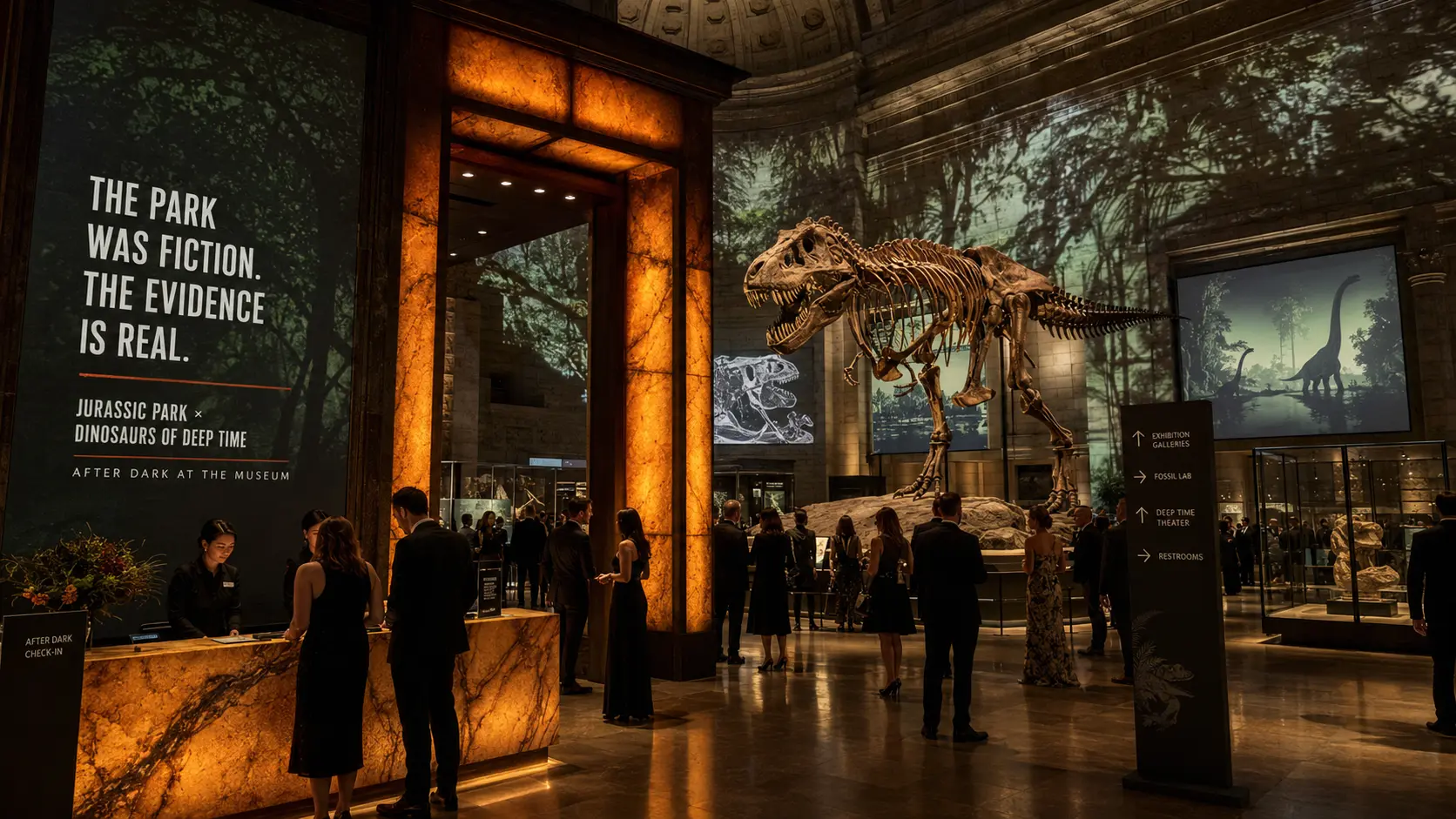
Timed evening arrivals meet sound and shadow at the museum entrance. Amber light reveals the fossil.
Paleontologists compare the films' inventions with fossil evidence and explain why reconstructions keep changing.
Visitors track movement and identify species to recover evidence along a route through the halls.
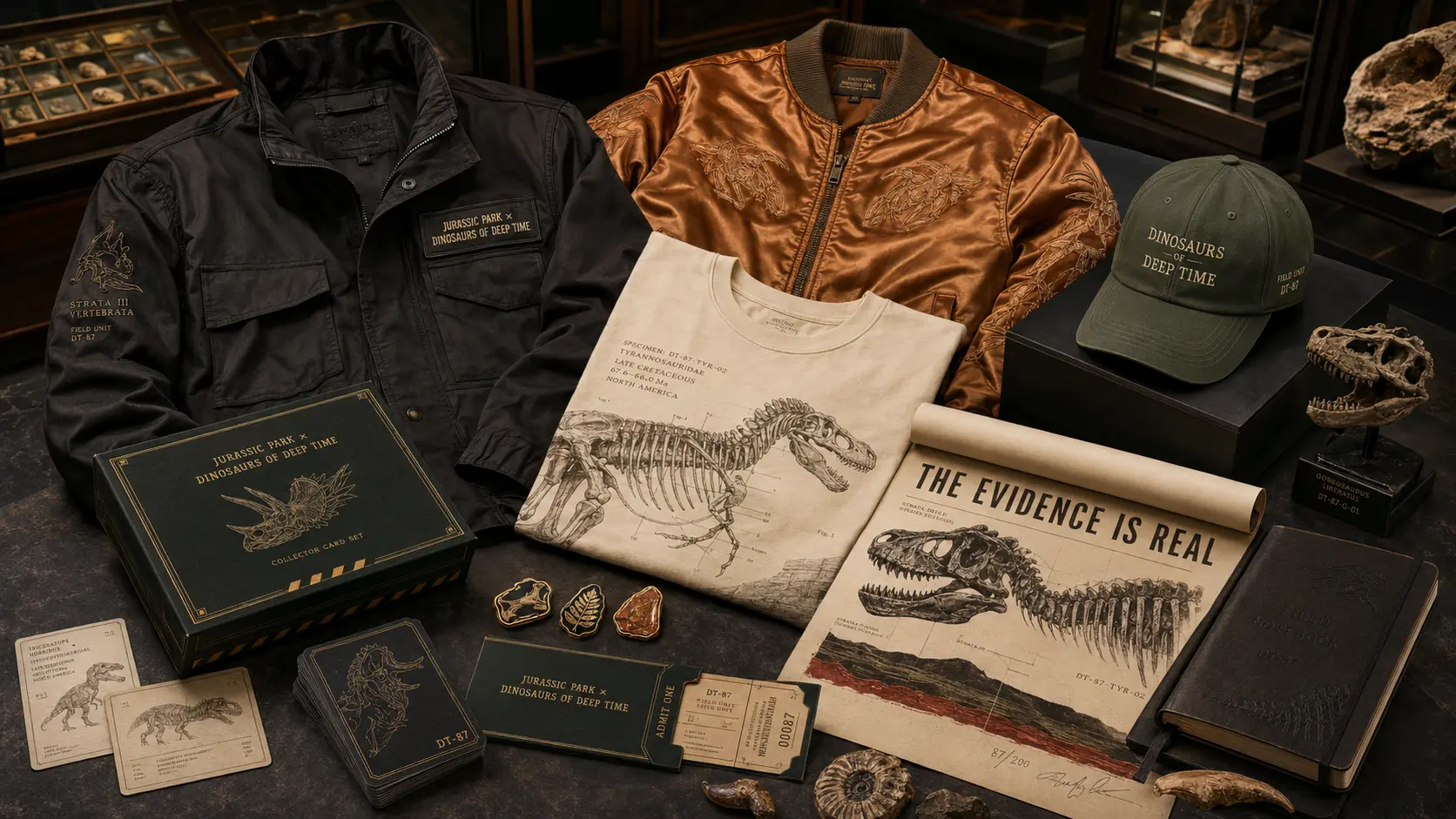
Ticket holders receive first access to numbered apparel, field objects, posters, and collectible specimen cards.
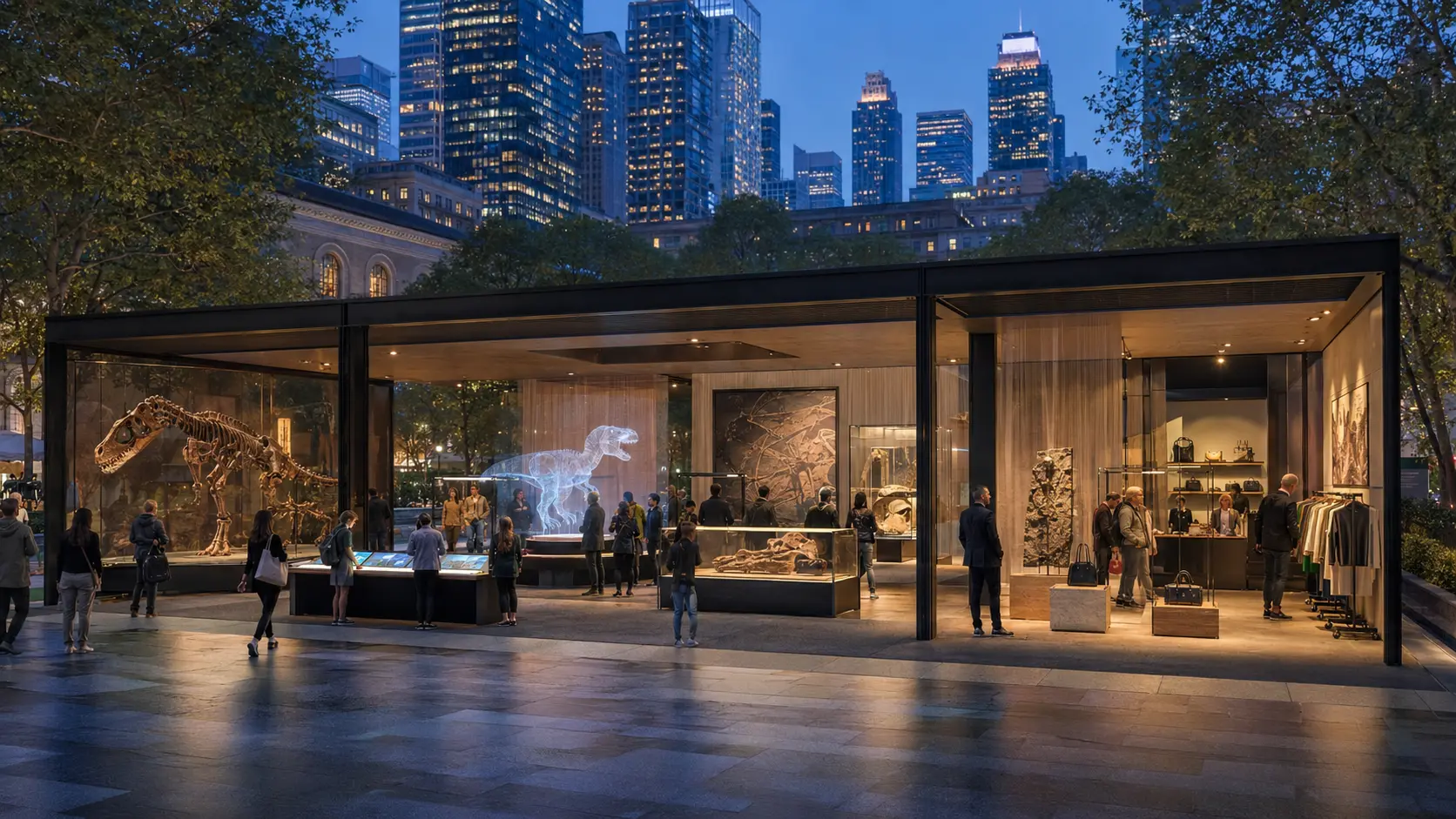
The Bryant Park pavilion puts a fossil cast beside a walk-through reconstruction. Short talks explain the comparison. Quiz stations and a small store sit along the route into the museum proposal.
Put taxonomy and specimen numbers where they can be read. Trackways and skeletal drawings supply the larger apparel graphics.
WHERE THE CONCEPT STANDS
The concept extends the original map into an exhibit and campaign. Trackways connect the parts, while labels give each encounter context. The reconstructions and public installations remain proposed experiences inspired by the museum subject.