LEAD WITH APPETITE
Food photography and recognizable dining moments do the emotional work before the offer asks for attention.
CLIENT WORK / SOCIAL CAMPAIGN / CONTENT / MOTION
WHERE I STARTED
HungerPass offered New Yorkers a better deal on dinner. My job was to make that useful fact worth stopping for in a crowded feed. I built campaigns around moments people already recognized, including Halloween and food holidays. The offer needed to stay clear, and the restaurant needed to look like somewhere you wanted to go.
“Make the savings feel like a timely social discovery.”
WORKING THROUGH IT
Food photography and recognizable dining moments do the emotional work before the offer asks for attention.
Holidays and food days give the brand a reason to join the conversation, with seasonal dining habits guiding the timing.
Make the offer easy to read while keeping the restaurant somewhere you want to spend the evening.
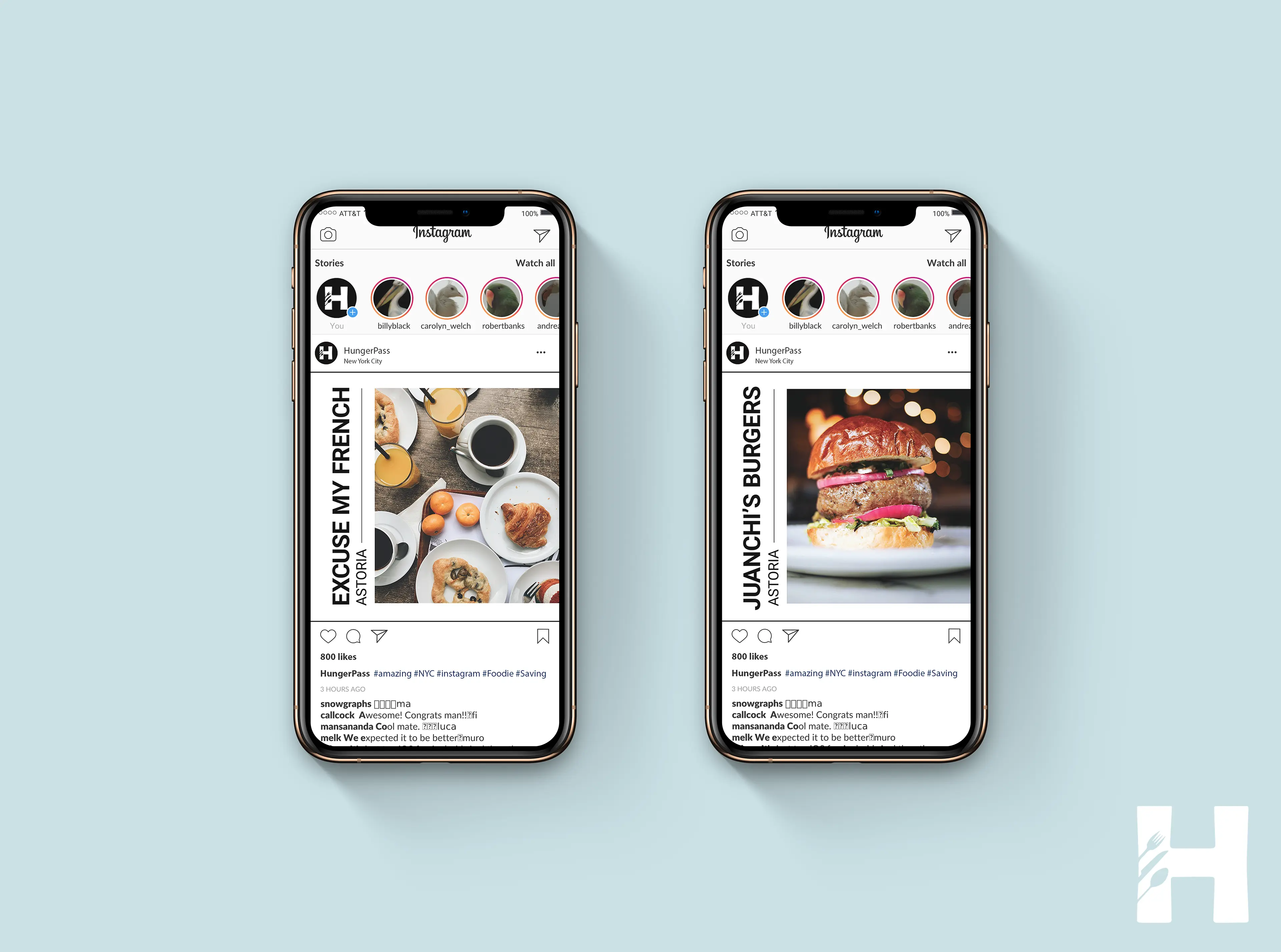
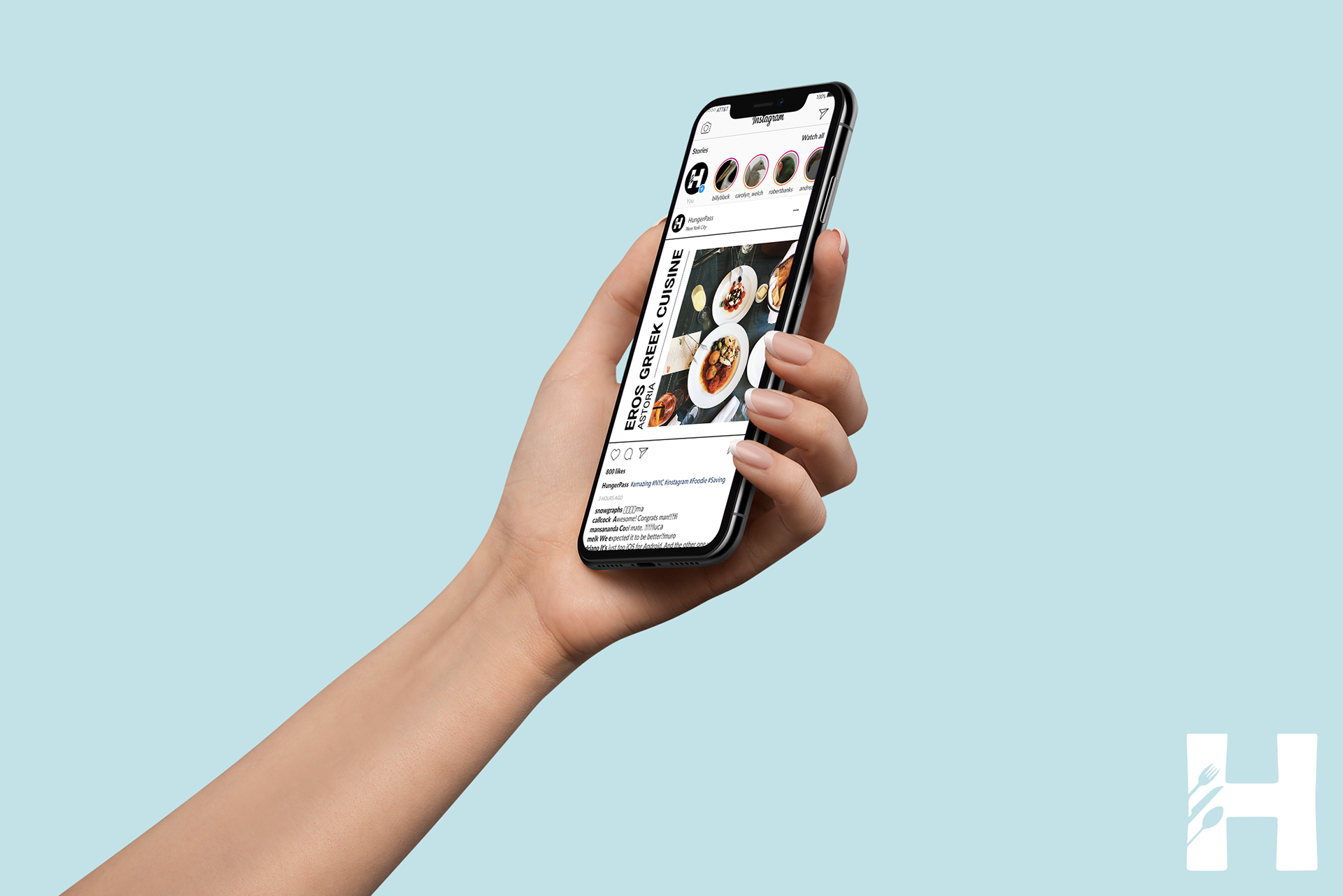
Keep each partner’s food visible within the HungerPass layout. A diner needs to recognize the venue as well as the offer.
THE VISUAL LANGUAGE
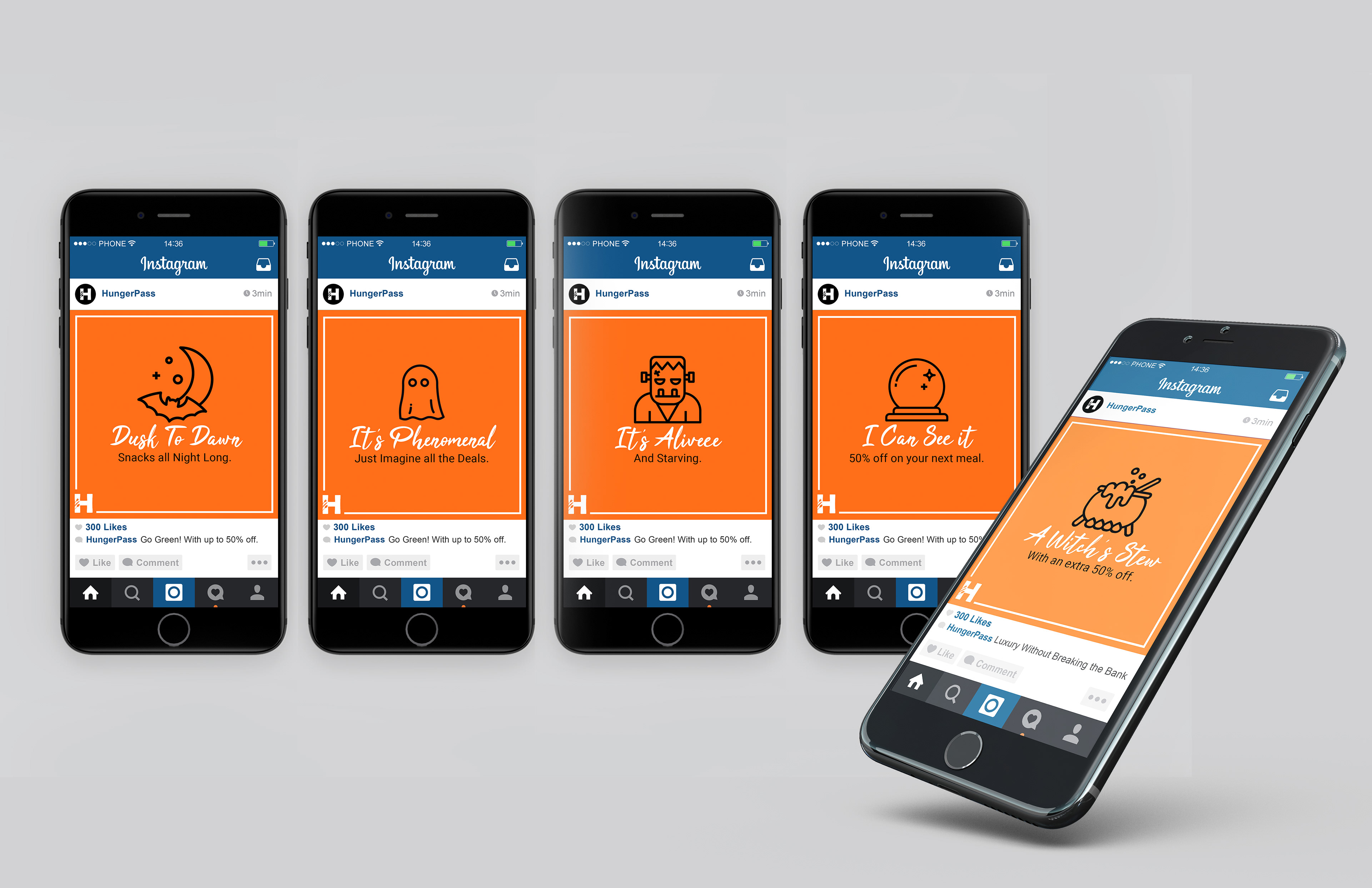
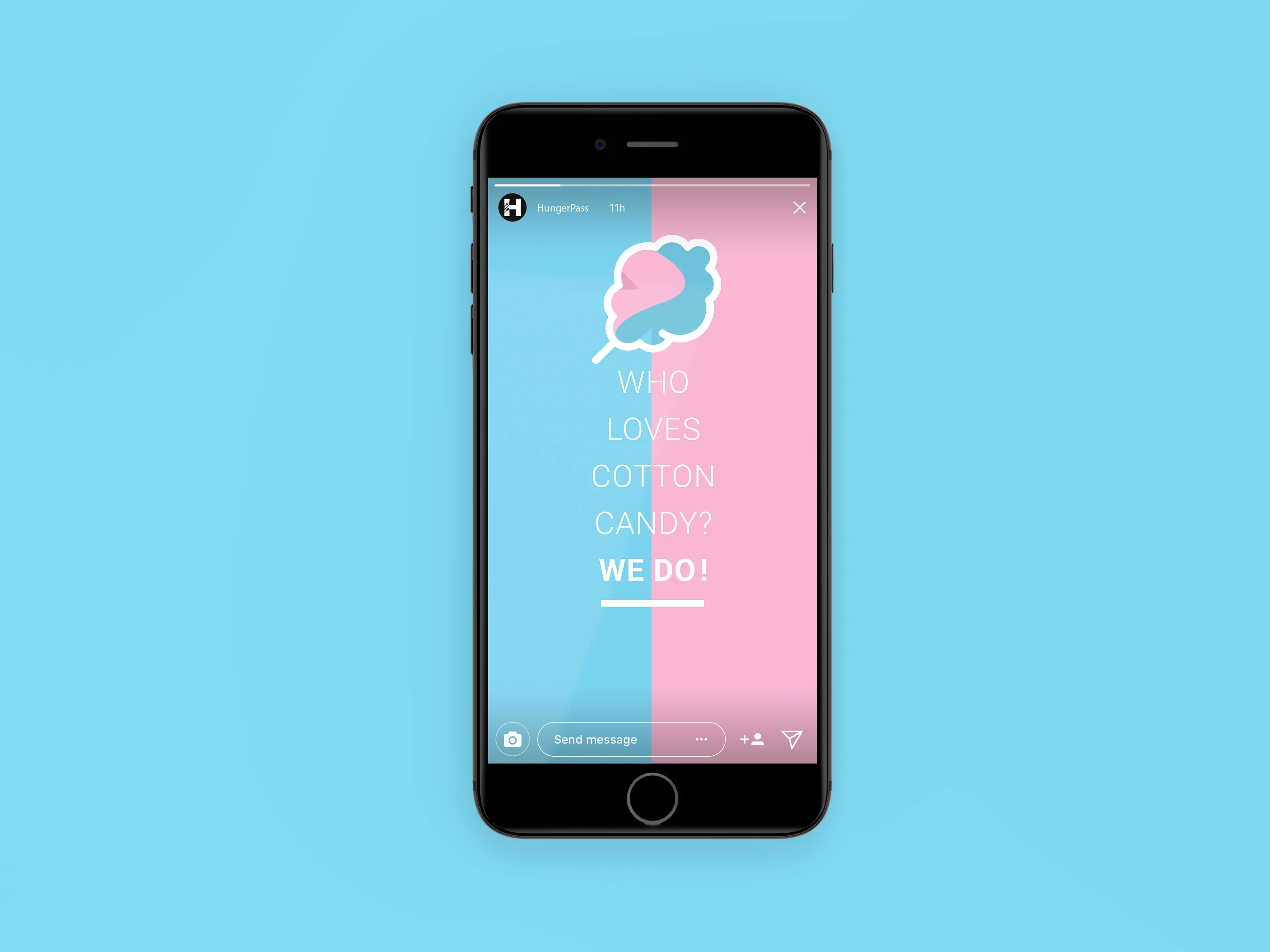
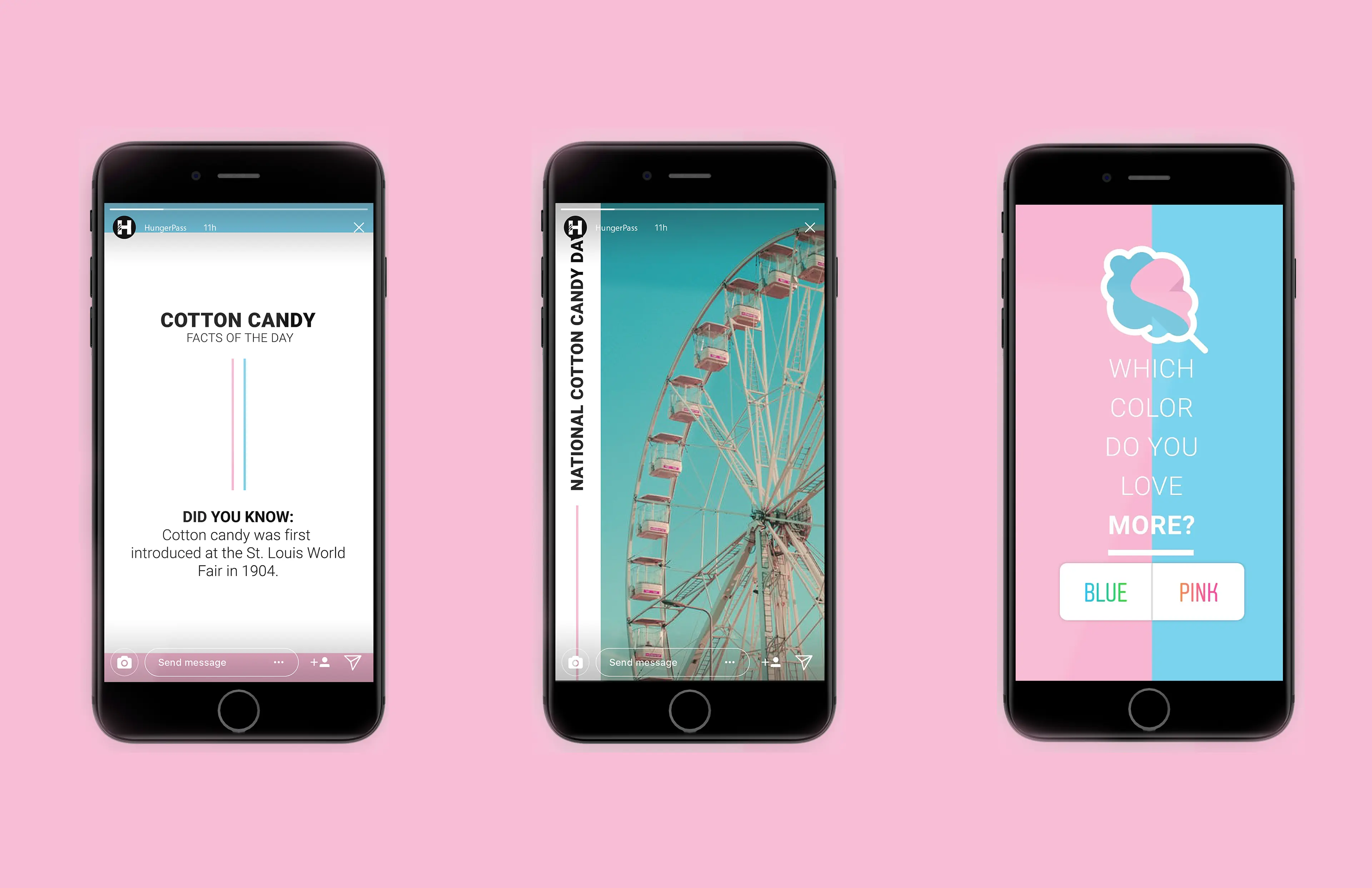
The Halloween stories use compact illustration and copy for a repeatable seasonal series. National Cotton Candy Day takes a brighter, interactive approach that asks people to participate. Both are original client-work artifacts.
APPLICATION
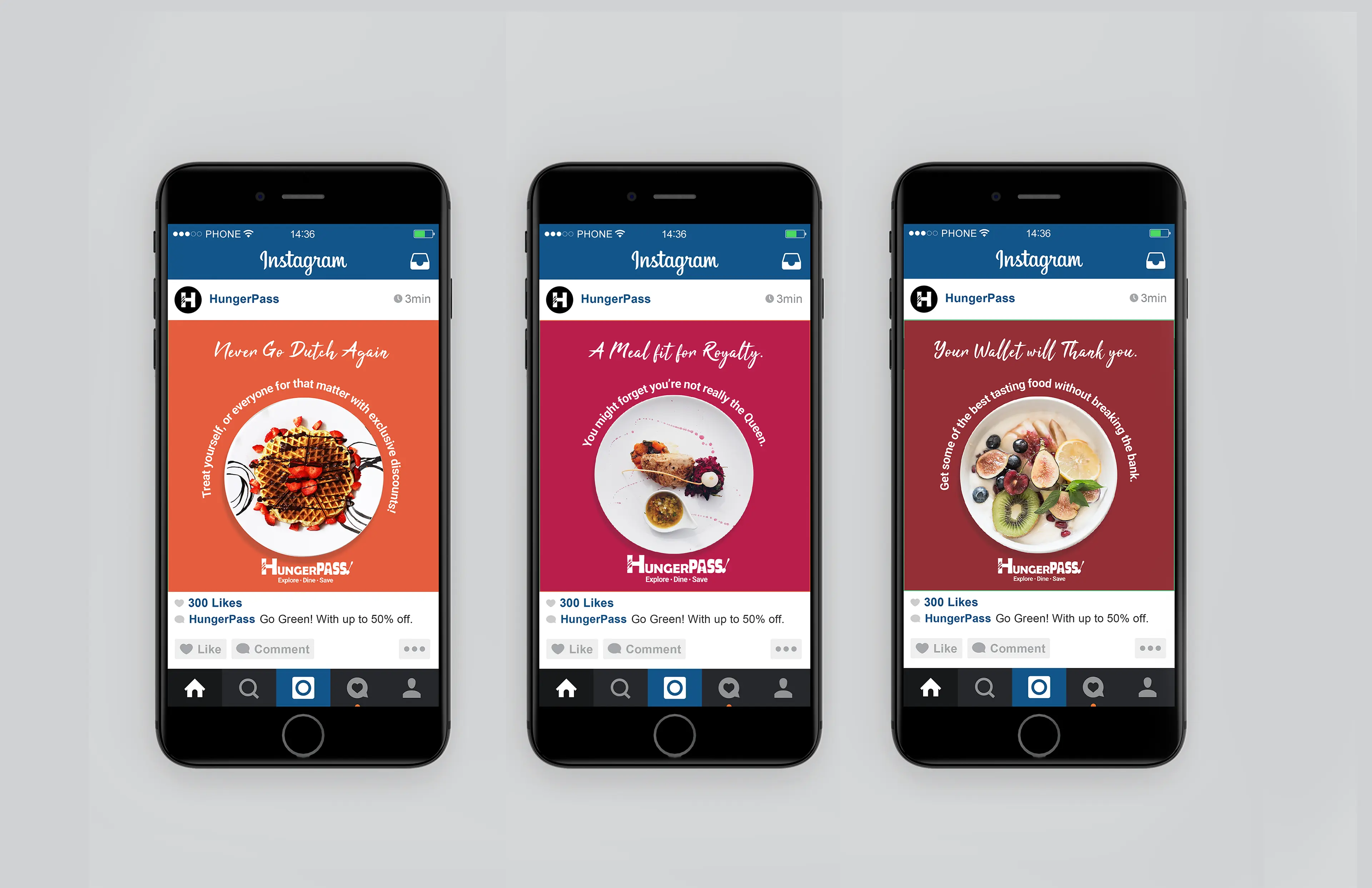
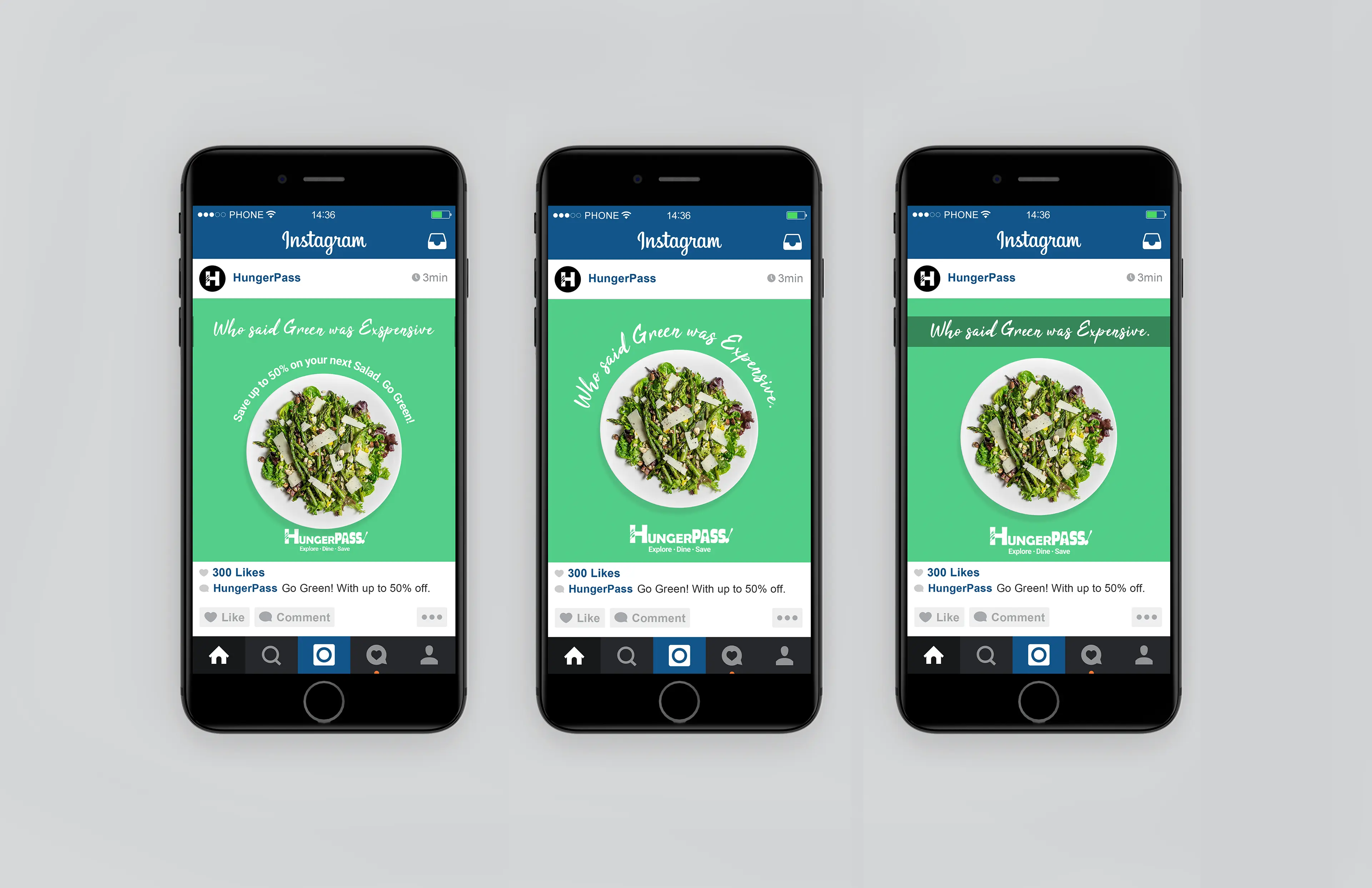
“Better Bang for Your Buck” paired food photography with a direct message about budget. It spoke to students and young diners. For partner features, I changed the image and offer around the individual restaurant.
CONTENT IN MOTION
The delivered work included GIFs and animated social content, plus a promotional Facebook cover. The motion moved quickly from the occasion to the headline, then the food or offer, closing on a recognizable HungerPass frame.
The original posts used food photography and short copy around recognizable occasions. Animated versions brought the offer into the frame quickly.
A Halloween story puts the dining offer in the feed.
A Cotton Candy Day prompt invites people to take part.
Value is framed as access, never compromise.
Modular compositions carried one campaign idea through posts and stories, with versions for partner features.
Short, conversational lines put savings into a cultural context.
Short animated sequences brought movement to the Facebook and Instagram posts.
I adjusted stock and partner images to sit more consistently within the social layouts.
Restaurant-specific formats balanced HungerPass recognition with the venue’s own food and offer.
Selected website design work helped carry the same voice beyond the social channels.
THE NEXT CHAPTER
The client work introduced dining offers through social posts. These later concepts ask what happens after someone saves one. A diner needs a way to use it, and a restaurant needs control over the offer it has published.
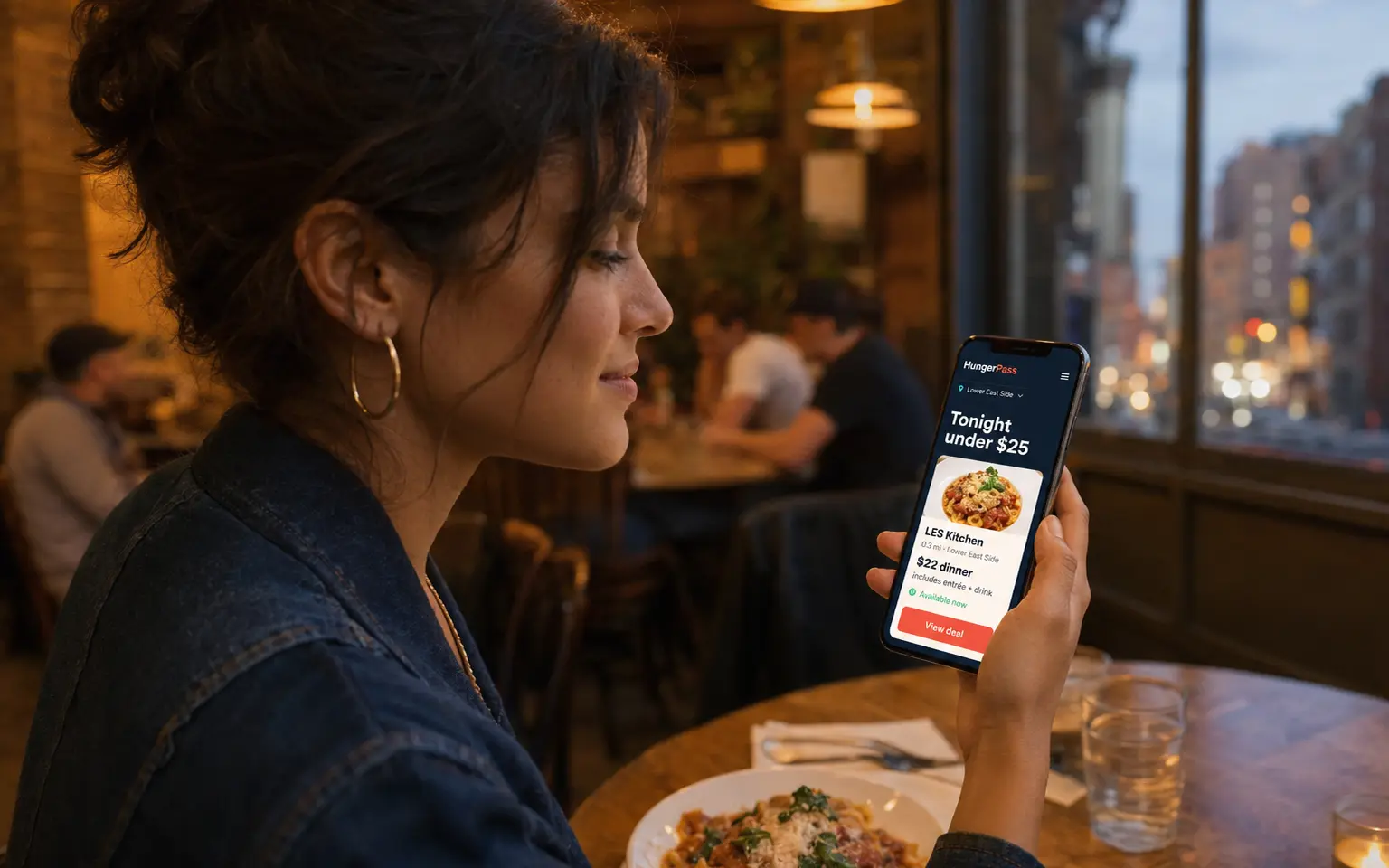
A location-aware feed shows where to go and what it costs, with a reason to book tonight.
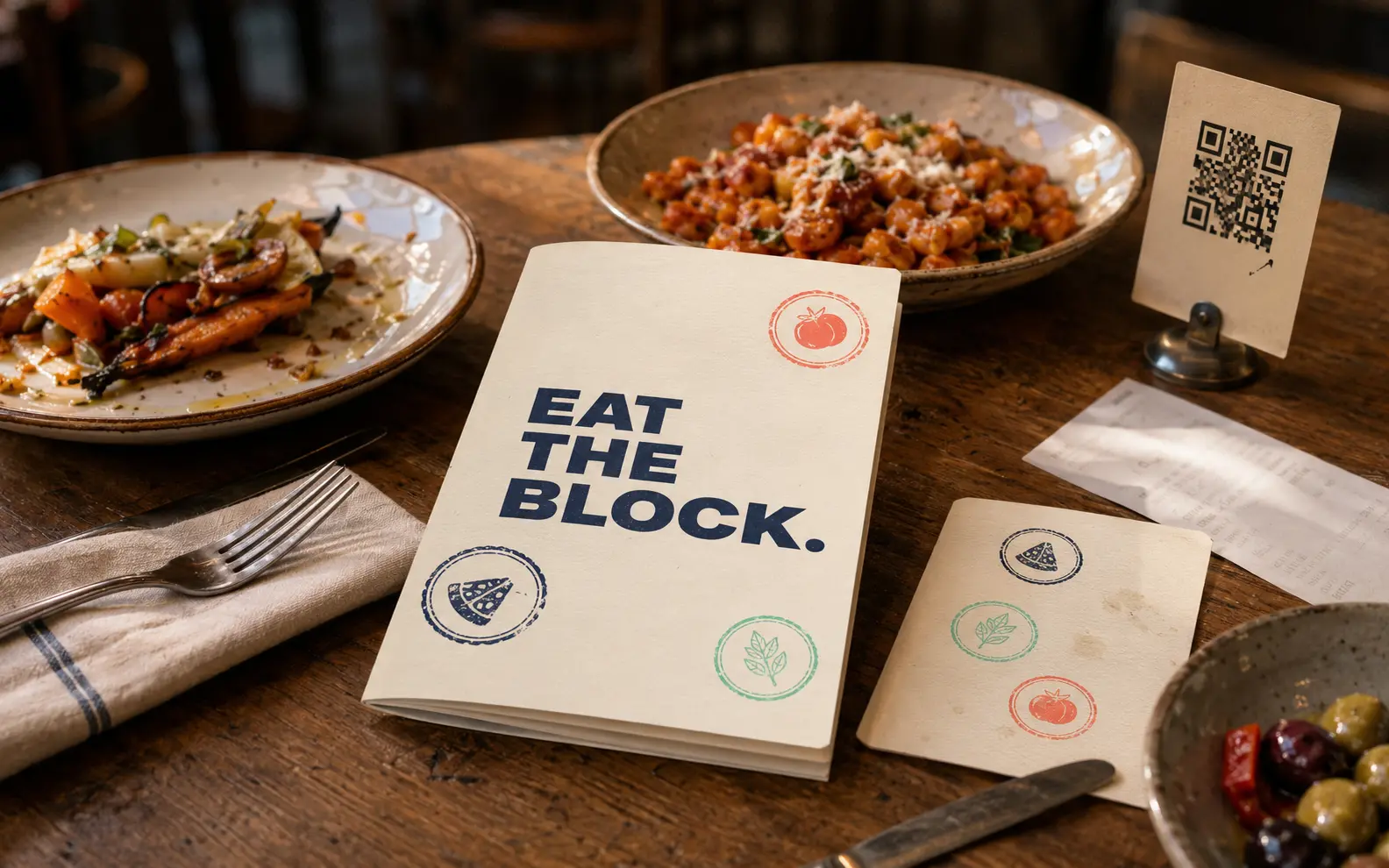
The social post starts the visit. A saved offer or stamped route lets a diner carry that discovery into the restaurant. Those objects would also give the next visit a place to begin.
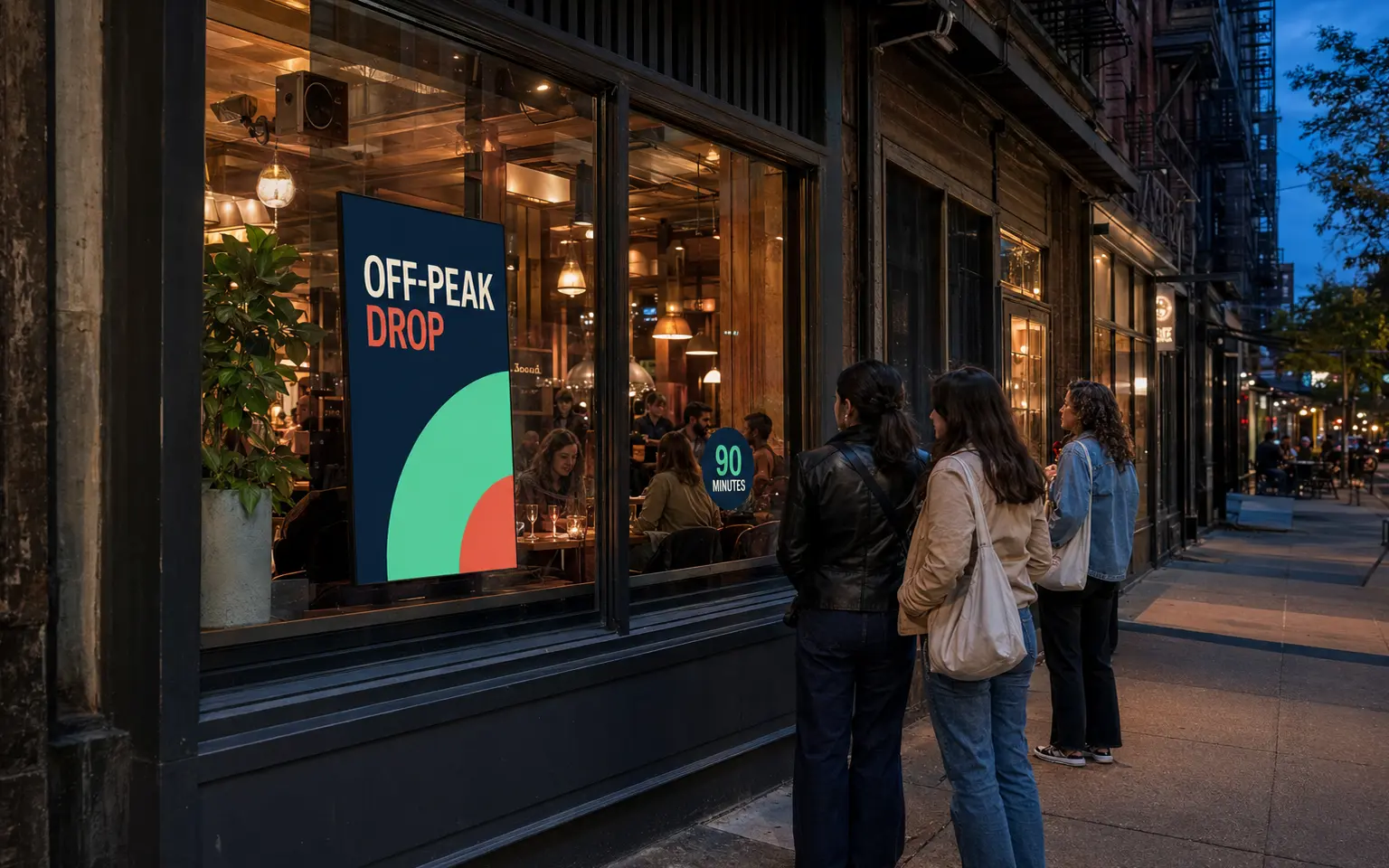
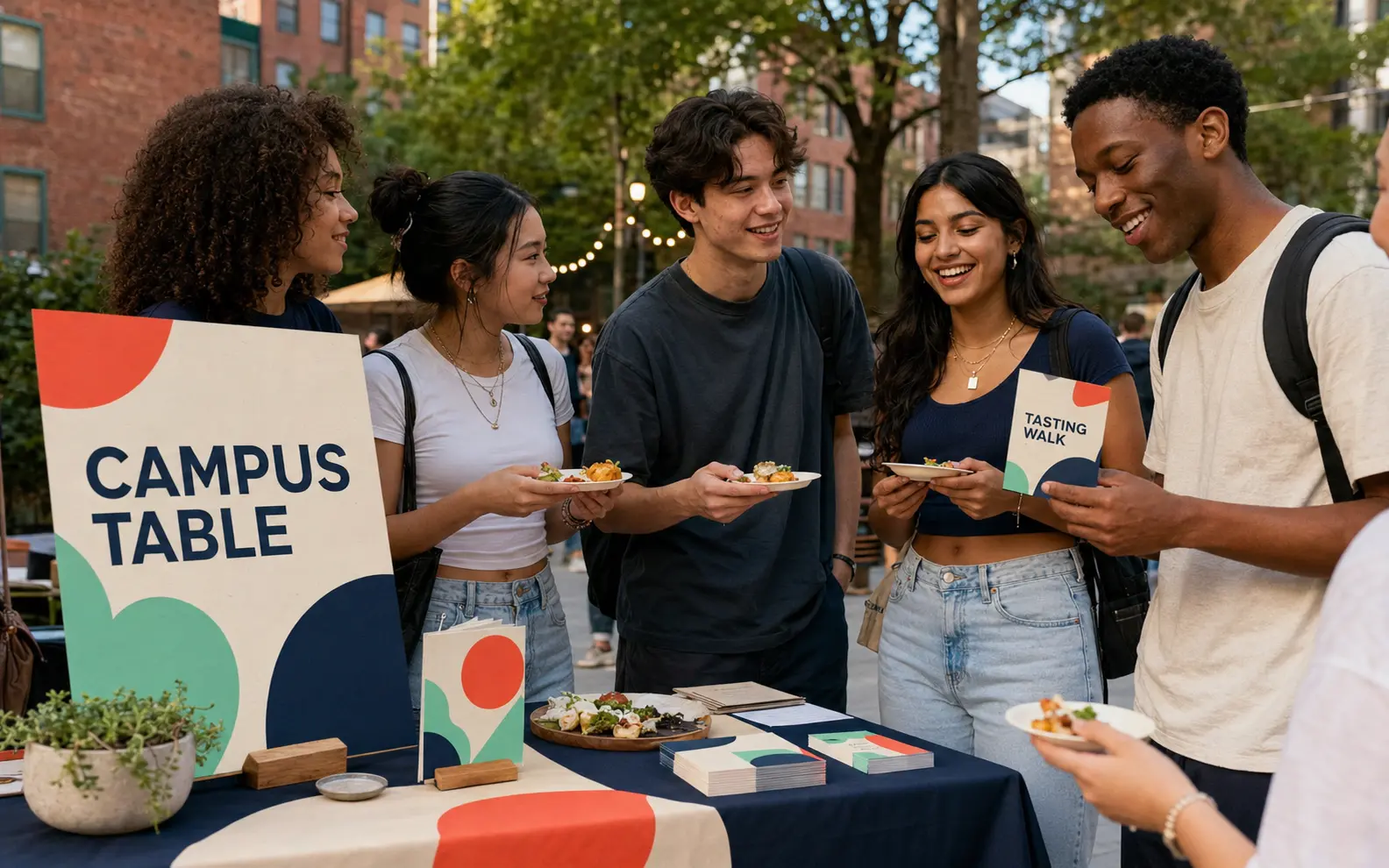
A campus stop can introduce an offer. A hosted tasting gives someone a reason to try the restaurant. Return rewards would need a simple way to recognize the next visit.
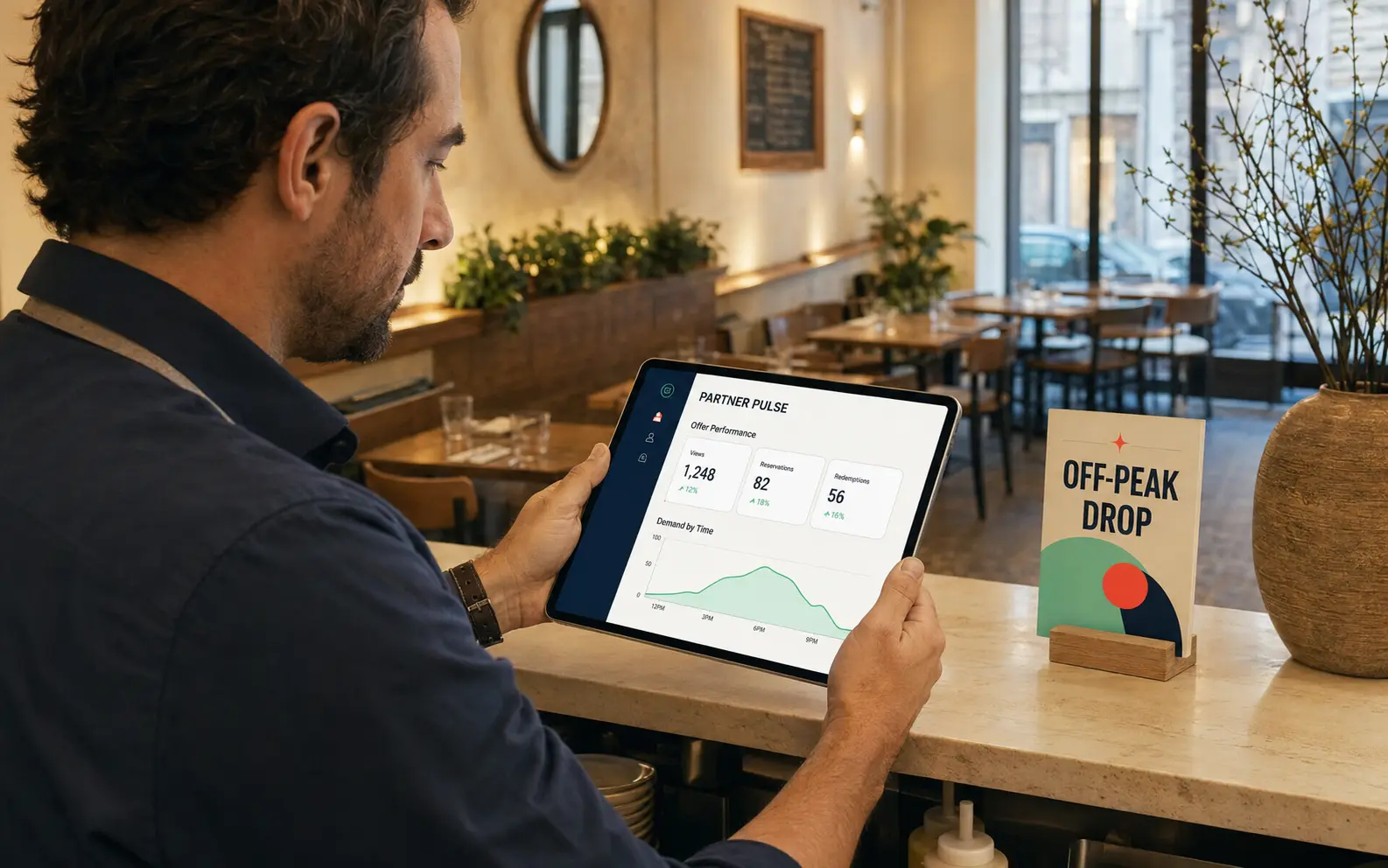
The ideas start with the same dining offer but solve different parts of the visit. The feed helps you find it. A stamp records the return, while the partner dashboard lets the restaurant update what is available.
A personalized deal feed shaped by location, time, appetite, and budget.
↗Restaurants could publish a limited offer during a quiet hour. The feed would show diners when it expires.
↗Diners collect stamps across local partners to earn a progressive reward.
↗A lightweight dashboard lets restaurants publish offers and see when they perform.
↗Ambassadors bring people to tasting nights, with referral codes giving diners a reason to invite friends.
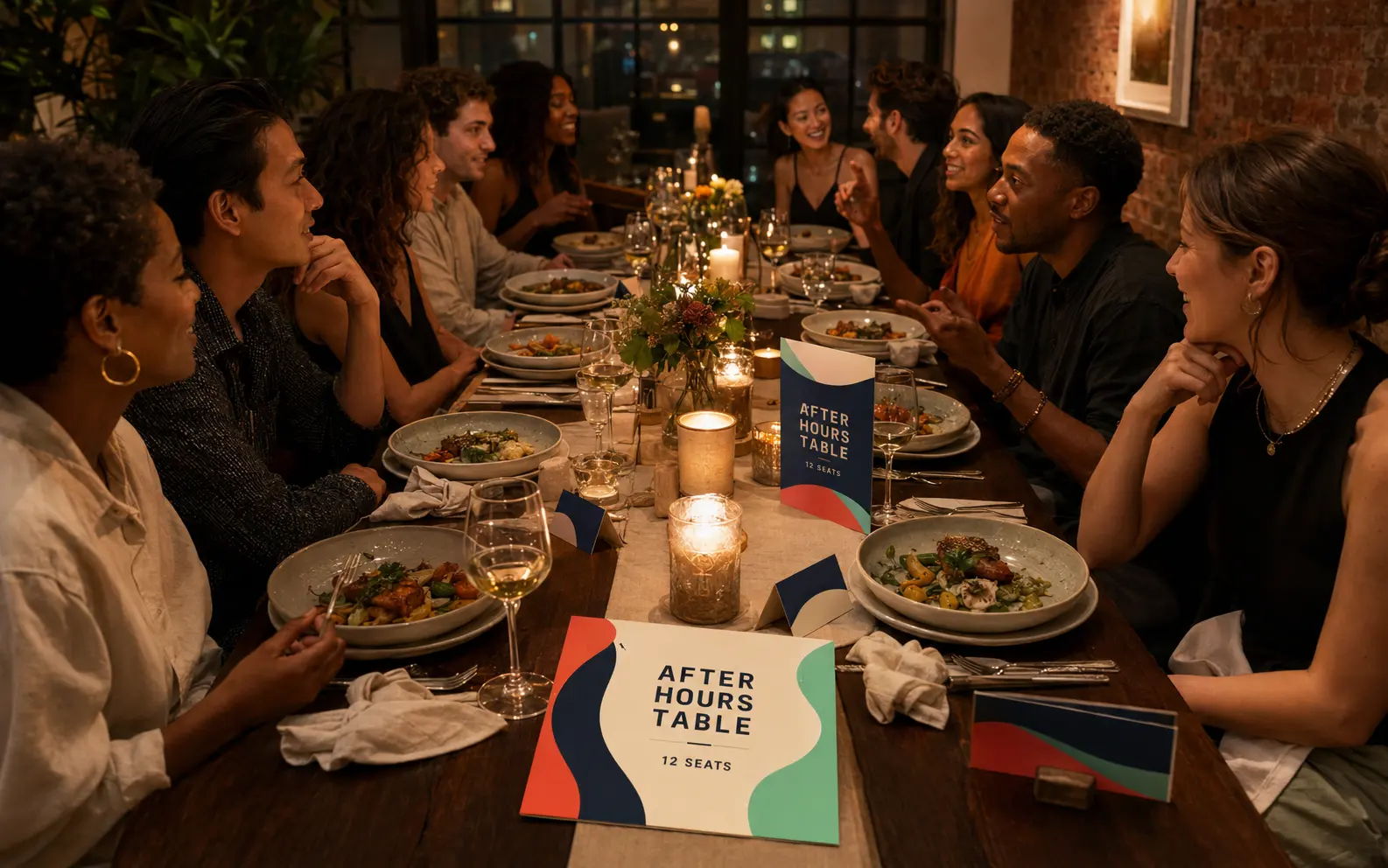
↗Local creators host limited-seat meals that produce content and first-party signups.
↗A timely social post or local prompt.
A clear offer saved to the pass.
A frictionless check-in at the restaurant.
A story template turns the meal into proof.
A stamp records a return visit. Referral offers give diners something to share with a friend.
WHAT I DELIVERED
The original campaigns gave HungerPass a repeatable social format, with motion and copy that could change with the occasion. The later product and neighborhood ideas are my proposed extensions. They explore how a saved offer could lead to a return visit. They were not part of the original client delivery.